1 Introduction: Why Reheat in an Air Fryer?
Let's face it: the microwave has been our go-to for reheating leftovers for decades. It's fast, it's convenient, and it gets the job done. But "getting the job done" often means soggy pizza, rubbery chicken, and limp fries that bear little resemblance to their original glory. There's a better way, and if you own an air fryer, you already have the solution sitting on your countertop.
Air fryers have revolutionized not just how we cook food, but how we bring leftovers back to life. That pizza slice that would have been a sad, chewy mess from the microwave? The air fryer delivers a crispy crust and perfectly melted cheese that rivals fresh-from-the-oven. Those day-old fries that seemed destined for the trash? They come out crispy and golden, as if they were just made.
In this comprehensive guide, we'll walk you through everything you need to know about reheating food in your air fryer. You'll learn specific techniques for different food categories, get a complete temperature and time reference chart, and discover tips for achieving perfect results every time. Whether you're rescuing last night's takeout or meal prepping for the week, your air fryer is about to become your new best friend for leftovers.
What Makes Air Fryers Perfect for Reheating
Understanding why air fryers excel at reheating helps you get better results. Unlike a microwave, which heats food by exciting water molecules (often creating steam that makes things soggy), an air fryer circulates superheated air around your food. This does several important things:
- Removes surface moisture: The hot, moving air evaporates moisture from the outside of your food, restoring crispiness
- Promotes even heating: Food is heated from all sides simultaneously, eliminating cold spots
- Re-crisps breading and coatings: The convection effect reinvigorates fried foods, making them crispy again
- Renders fat: Fatty foods like bacon or chicken skin crisp up as the fat re-renders
- Restores texture: Foods regain their original texture profiles—crispy outsides, tender insides
The result is leftover food that doesn't taste like leftover food. In many cases, air fryer-reheated food actually tastes better than when you originally got it, especially if that original food was takeout that sat in a container getting soggy on the way home.
2 General Tips for Reheating in an Air Fryer
Before we dive into specific foods, let's cover some universal principles that apply to reheating almost anything in your air fryer. Following these guidelines will help you avoid common mistakes and get consistently great results.
The Golden Rules of Air Fryer Reheating
1. Lower Temperatures Are Your Friend
When reheating, you're not cooking food from raw—you're just warming it through and restoring texture. Using temperatures that are too high will burn the outside before the inside is hot. For most foods, reheat at 320-350°F (160-175°C), which is lower than typical cooking temperatures. Only go higher (375-400°F) for foods that need serious crisping, like fries or fried chicken skin.
2. Less Time Than You Think
Reheating is faster than cooking. Start with less time than you think you need and add more if necessary. You can always add another minute or two, but you can't un-dry food that's been overcooked. Check your food early and often.
3. Don't Overcrowd the Basket
Just like when cooking, air needs to circulate around your food. A single layer with space between pieces reheats more evenly than a pile of overlapping items. If you have a lot of food, reheat in batches—it's faster than trying to do everything at once and getting poor results.
4. Add a Light Spritz of Oil When Needed
A light spray of oil can help restore the crispy exterior of fried foods and prevent drying. You don't need much—just a quick spritz from an oil sprayer. This is especially helpful for foods that weren't originally very oily.
5. Let Food Come to Room Temperature
When possible, let refrigerated leftovers sit out for 10-15 minutes before reheating. This helps them heat more evenly and reduces cooking time. Don't do this with foods that are highly perishable or have been sitting out already.
6. Preheat When It Matters
For most reheating, preheating isn't strictly necessary—the food is already cooked. However, for foods where you want an immediate sear or crisp (like pizza or fried chicken), a 2-minute preheat can improve results.
7. Cover Delicate Items
Some foods dry out easily in the intense air circulation. Covering them loosely with foil for part of the reheating time helps them heat through without drying out. Remove the foil for the last minute or two if you want some browning.
Equipment That Helps
- Oil sprayer: For adding light oil to restore crispiness
- Instant-read thermometer: To check that proteins reach safe internal temperatures (165°F for chicken, 145°F for beef/pork)
- Silicone tongs: For flipping and removing food without scratching the basket
- Parchment paper liners: For easy cleanup with messy foods
3 How to Reheat Pizza in Air Fryer
Pizza is the undisputed king of leftover reheating, and nothing—absolutely nothing—beats an air fryer for this job. While microwaved pizza is a rubbery, soggy disappointment and oven-reheated pizza takes 15+ minutes, the air fryer delivers hot, crispy pizza in just 3-4 minutes.
Basic Air Fryer Pizza Reheating
Temperature: 325-350°F (165-175°C)
Time: 3-5 minutes
- Place cold pizza slices in a single layer in the air fryer basket (don't overlap)
- Air fry at 325°F for 3-4 minutes for thin crust, 4-5 minutes for thick crust
- Check after 3 minutes—you want melted cheese and a crispy crust
- Add 30-60 seconds if needed
Tips for Perfect Reheated Pizza
- Don't go too hot: Higher temperatures will burn the crust before the toppings are hot. 325-350°F is the sweet spot.
- No preheat needed: Pizza reheats beautifully from a cold start
- For extra crispy crust: Let the pizza reach room temperature first, then reheat at 375°F for 2-3 minutes
- For loaded/thick pizzas: Start at 300°F for 4 minutes to heat through, then increase to 350°F for 1-2 minutes to crisp
- For stuffed crust: Reduce temperature to 300°F and add 1-2 minutes to ensure the center heats through
Different Pizza Styles
Thin crust: 325°F for 3 minutes—watch carefully, thin crusts crisp quickly
New York style: 350°F for 3-4 minutes—perfect for that characteristic fold
Deep dish/pan pizza: 300°F for 5-6 minutes—needs longer at lower temp due to thickness
Frozen pizza (pre-cooked): 350°F for 4-6 minutes depending on thickness
Why Air Fryer Pizza Is Better Than Fresh Delivery
Here's a secret: air fryer reheated pizza often tastes better than when it was delivered. Why? Delivery pizza sits in a box, steaming, which softens the crust. When you reheat it in an air fryer, you're actually finishing what delivery couldn't—giving it that crispy crust it should have had. Many pizza lovers now order ahead and intentionally refrigerate their pizza to reheat it in the air fryer later.
4 How to Reheat Fried Chicken in Air Fryer
Fried chicken is the second most popular food to reheat in an air fryer, and for good reason. Cold fried chicken is edible but sad. Microwaved fried chicken is hot but soggy with a rubbery coating. Oven-reheated fried chicken takes forever and often dries out. Air fryer fried chicken? Crispy, juicy perfection that rivals fresh-from-the-fryer.
Basic Fried Chicken Reheating
Temperature: 375°F (190°C)
Time: 4-6 minutes
- Let chicken come to room temperature for 10-15 minutes (optional but recommended)
- Preheat air fryer to 375°F for 2 minutes
- Arrange chicken pieces in a single layer with space between them
- Air fry for 4 minutes, then flip
- Continue for 2-4 more minutes until internal temperature reaches 165°F and skin is crispy
Times by Piece Type
- Wings: 4-5 minutes total (small, heat quickly)
- Drumsticks: 5-6 minutes total
- Thighs: 5-7 minutes total (bone-in takes longer)
- Breasts: 6-8 minutes total (larger pieces need more time)
- Tenders/strips: 3-4 minutes total (thin, reheat fast)
Pro Tips for Crispy Reheated Fried Chicken
- Light oil spray: A quick spritz of oil before reheating helps the breading crisp up beautifully
- Don't overcrowd: Crowding traps steam and makes the coating soggy—do batches if needed
- Flip halfway: This ensures both sides get evenly crispy
- For extra crispy skin: After reheating, increase to 400°F for the last 60 seconds
- For bone-in pieces: Use an instant-read thermometer to ensure they reach 165°F internally
Restaurant and Fast Food Fried Chicken
Different fried chicken styles may need slight adjustments:
- KFC, Popeyes, Church's: Standard method at 375°F works perfectly
- Chick-fil-A nuggets: 360°F for 3-4 minutes (smaller, cook fast)
- Spicy/Nashville hot chicken: 350°F for 5-6 minutes (lower temp preserves the spicy coating)
- Korean fried chicken: 375°F for 4-5 minutes—the double-fry coating crisps up amazingly
Chicken Wings Deserve Special Attention
Leftover wings are an air fryer specialty. For detailed techniques on achieving perfectly crispy reheated wings, check out our air fryer chicken wings recipe, which includes tips that apply to reheating as well.
5 How to Reheat French Fries in Air Fryer
French fries are perhaps the most dramatic transformation you'll see when air frying leftovers. Day-old fries that have gone limp and sad in the fridge come out of the air fryer crispy, golden, and absolutely delicious. This is where air fryers truly shine—no other reheating method even comes close.
Basic French Fry Reheating
Temperature: 375-400°F (190-200°C)
Time: 3-5 minutes
- Spread fries in a single layer in the basket (don't pile them up)
- Give them a light spray of oil (optional but helps crispiness)
- Air fry at 375°F for 3 minutes
- Shake the basket
- Continue for 1-2 more minutes until desired crispiness
Tips for Crispy Reheated Fries
- Single layer is crucial: Piled fries steam each other and won't crisp properly
- Shake shake shake: Shake the basket every 90 seconds for even crisping
- Higher heat = crispier: Go up to 400°F if you like them extra crispy
- Season after reheating: Add salt when they come out while they're still hot
- Don't reheat soggy fries: If fries were soggy to begin with, even an air fryer can only do so much
Different Fry Styles
- Thin/shoestring fries: 375°F for 2-3 minutes (watch carefully—they crisp fast)
- Standard cut fries: 375°F for 3-4 minutes
- Thick-cut/steak fries: 400°F for 5-6 minutes (need longer to heat through)
- Curly fries: 375°F for 3-4 minutes, shake halfway
- Waffle fries: 380°F for 4-5 minutes
- Sweet potato fries: 370°F for 3-4 minutes (burn more easily)
- Loaded fries: 350°F for 4-5 minutes (lower temp to melt cheese without burning)
Other Potato Sides
The air fryer works wonders on all potato leftovers:
- Tater tots: 400°F for 3-4 minutes
- Hash browns: 375°F for 4-5 minutes
- Potato wedges: 380°F for 5-6 minutes
- Onion rings: 375°F for 3-4 minutes
- Mozzarella sticks: 360°F for 3-4 minutes
For making fresh fries from scratch, check out our perfect air fryer french fries recipe.
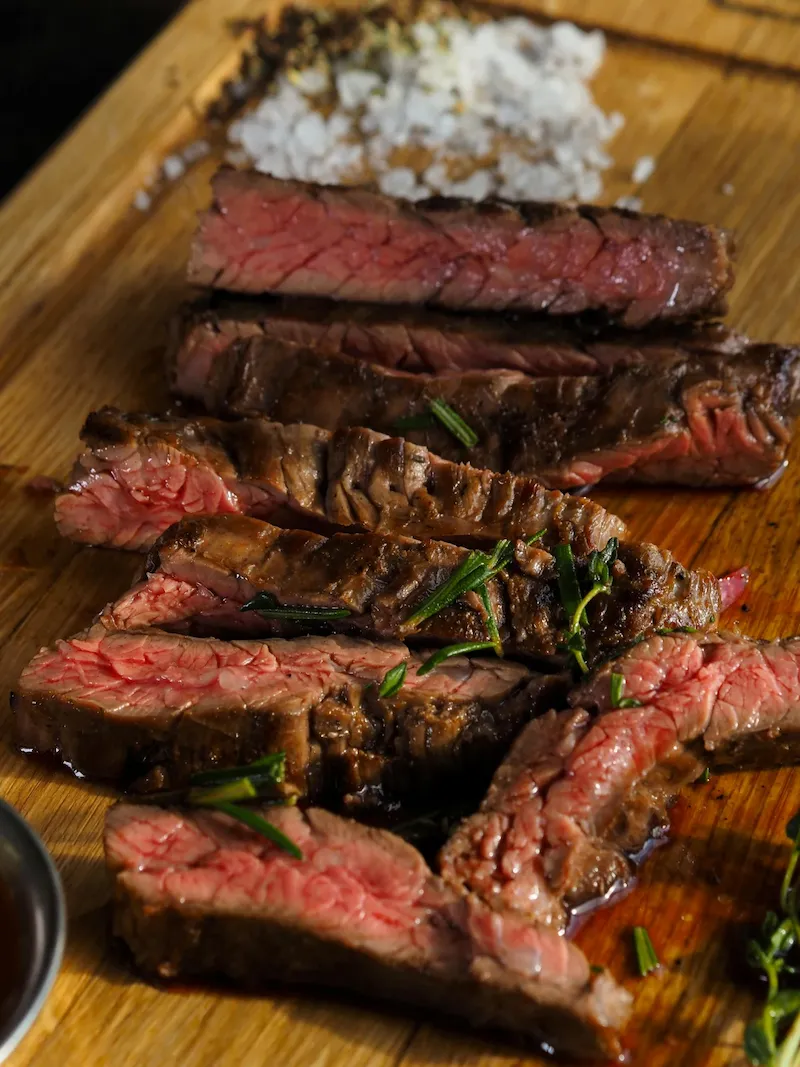
6 How to Reheat Steak and Other Meats
Reheating steak and other meats requires a more delicate touch than fried foods. The goal is to warm the meat through without cooking it further or drying it out. Air fryers can do this beautifully when you use the right technique.
Reheating Steak
Temperature: 250-275°F (120-135°C)
Time: 5-8 minutes
The key to reheating steak is low and slow. High heat will overcook your medium-rare steak into well-done territory. Instead:
- Let steak come to room temperature for 15-20 minutes
- Set air fryer to 250°F (this is lower than most reheating)
- Place steak in basket—no need for oil
- Heat for 5-6 minutes, then check internal temperature
- Target 110-120°F internal for medium-rare, 130°F for medium
- Optional: Sear at 400°F for 1 minute per side at the end for a fresh crust
Why Low Temperature Matters
When you originally cooked your steak, you brought the center to your desired doneness. Reheating at high temperatures continues cooking that center, turning your perfect medium-rare into medium or beyond. By using very low heat, you warm the steak through without raising the internal temperature enough to further cook it.
Other Meats: Roasts and Chops
Pork Chops
Temperature: 325°F | Time: 4-6 minutes
Pork chops dry out easily. Cover loosely with foil for the first 3 minutes, then uncover for the last 1-2 minutes to warm the surface.
Roast Beef/Prime Rib
Temperature: 250°F | Time: 5-8 minutes
Same principle as steak—low and slow to avoid overcooking. Wrap in foil if you're worried about drying.
Lamb Chops
Temperature: 300°F | Time: 4-5 minutes
Lamb fat crisps up nicely in the air fryer. Flip halfway for even heating.
Pork Tenderloin
Temperature: 300°F | Time: 5-7 minutes (sliced)
Slice before reheating for more even results. Whole tenderloin takes much longer.
Meatballs
Temperature: 350°F | Time: 5-7 minutes
Shake basket halfway through. The outside gets nicely caramelized.
Burgers and Patties
Temperature: 350°F | Time: 4-5 minutes
- Reheat patty and bun separately (bun takes only 1-2 minutes)
- Place patty in air fryer at 350°F
- Flip after 2-3 minutes
- Add cheese in the last minute if desired
- Toast bun at 350°F for 1-2 minutes
For cooking steak from scratch in your air fryer, see our air fryer steak recipe.
7 How to Reheat Seafood in Air Fryer
Seafood is notoriously tricky to reheat. It dries out easily, can develop a "fishy" smell when overheated, and delicate fish can fall apart. The air fryer handles seafood better than microwaves, but you still need to be careful with temperatures and timing.
Reheating Fish Fillets
Temperature: 300-325°F (150-165°C)
Time: 3-5 minutes
Fish needs gentle reheating to avoid drying out or becoming rubbery:
- Let fish come to room temperature for 10 minutes
- Lightly brush or spray with oil
- Set air fryer to 300°F (lower than most foods)
- Heat for 3-4 minutes—check early
- Fish is ready when warmed through (145°F internal)
Different Seafood Types
Fried Fish (fish and chips style)
Temperature: 350°F | Time: 4-5 minutes
The breading can handle higher heat. Flip halfway for crispy coating on both sides.
Salmon
Temperature: 300°F | Time: 4-6 minutes
Salmon has more fat, so it stays moister than white fish. Still use lower temps to avoid overcooking.
Shrimp (plain or grilled)
Temperature: 300°F | Time: 2-3 minutes
Shrimp overcook in seconds. Check at 2 minutes—they should be just warmed through.
Fried Shrimp/Coconut Shrimp
Temperature: 350°F | Time: 3-4 minutes
Breaded shrimp can take more heat. Spray with oil for extra crispiness.
Crab Cakes
Temperature: 350°F | Time: 4-5 minutes
The breaded exterior crisps nicely. Flip halfway through.
Fish Sticks/Fillets (frozen, pre-cooked)
Temperature: 350°F | Time: 5-6 minutes
These handle reheating well since they're designed to be crispy.
Tips for Reheating Seafood
- Don't overcook: Seafood goes from perfect to rubbery very quickly
- Use lower temperatures: 300-325°F for most unbreaded seafood
- Add moisture: A light brush of butter or oil helps prevent drying
- Don't reheat more than once: Seafood quality degrades with each reheat
- Eat quickly: Reheated seafood doesn't hold well—eat immediately
For cooking fresh salmon, check out our air fryer salmon recipe.
8 How to Reheat Chinese Takeout
Chinese takeout is often the most disappointing leftover when microwaved. The rice gets gummy, the crispy items go limp, and everything tastes steamed. Your air fryer can bring much of that takeout magic back, especially for the crispy and fried items.
Fried Rice
Temperature: 350°F | Time: 5-7 minutes
- Break up any clumps before putting in the air fryer
- Spread rice in a thin, even layer
- Stir/shake every 2 minutes for even heating
- Add a tiny splash of water if rice seems dry before reheating
The air fryer gives fried rice a slightly crispy texture that's actually better than fresh in some ways!
Egg Rolls and Spring Rolls
Temperature: 375°F | Time: 4-5 minutes
These reheat beautifully—the wrapper gets crispy again and the filling heats through. No oil spray needed. Flip halfway through.
General Tso's/Orange/Sesame Chicken
Temperature: 375°F | Time: 4-6 minutes
- Separate the crispy chicken pieces from excess sauce
- Reheat chicken pieces alone to re-crisp them
- Warm the sauce separately (microwave is fine for sauce)
- Combine when serving
Pro tip: The sauce makes the coating soggy—keeping them separate and combining at serving time preserves the crispy texture.
Sweet and Sour Pork/Chicken
Temperature: 370°F | Time: 4-5 minutes
Same technique as above—reheat the battered meat separately from the sauce for best results.
Crab Rangoon/Cream Cheese Wontons
Temperature: 350°F | Time: 3-4 minutes
These crisp up perfectly. Watch carefully—the thin wrappers can burn quickly.
Lo Mein and Chow Mein
Temperature: 350°F | Time: 5-7 minutes
Stir every 2 minutes. Add a tiny drizzle of oil if noodles seem dry. The noodles will get slightly crispy on the edges—which is delicious!
Dumplings/Potstickers
Temperature: 375°F | Time: 5-6 minutes
Spray lightly with oil. These reheat exceptionally well—the bottoms get crispy again just like fresh pan-fried dumplings.
What Doesn't Reheat Well
- Soup-based dishes: Hot and sour soup, wonton soup—use stovetop or microwave
- Heavily sauced dishes: Dishes swimming in sauce don't crisp; separate sauce when possible
- Steamed items: Steamed dumplings, buns—microwave with a damp paper towel instead
9 How to Reheat Baked Goods: Bread, Pastries, and Muffins
Baked goods present a unique reheating challenge. You want to warm them through and restore a slightly crispy exterior without drying them out or making them tough. The air fryer can do this, but you need to use lower temperatures and watch carefully.
Bread and Rolls
Temperature: 300-320°F | Time: 2-4 minutes
- Lightly spritz bread with water before reheating to prevent it from drying out
- For crusty bread (baguettes, artisan loaves): 320°F for 3-4 minutes to re-crisp the crust
- For soft rolls/buns: 300°F for 2-3 minutes—watch carefully
- For garlic bread: 350°F for 2-3 minutes—the butter helps prevent drying
Croissants and Pastries
Temperature: 300°F | Time: 3-4 minutes
Croissants and laminated pastries reheat beautifully—the layers become flaky again. Don't go too hot or the outside will burn before the inside warms.
- Plain croissants: 300°F for 3-4 minutes
- Filled croissants (chocolate, almond): 280°F for 4-5 minutes (lower temp, longer time)
- Danish pastries: 300°F for 3-4 minutes
- Cinnamon rolls: 300°F for 3-4 minutes
Muffins
Temperature: 300°F | Time: 3-4 minutes
Muffins can dry out quickly. Keep the time short and check early. The top will get slightly crispy while the inside stays moist.
Donuts
Temperature: 320°F | Time: 2-3 minutes
- Glazed donuts: Watch carefully—the glaze can burn
- Cake donuts: Reheat well, develop a nice exterior
- Filled donuts: May need an extra minute for the filling to warm
- Donut holes: 300°F for 2 minutes, shake halfway
Pancakes and Waffles
Temperature: 350°F | Time: 2-4 minutes
Waffles especially benefit from air frying—they get crispy again. Pancakes won't get crispy but will be warmed through nicely.
- Frozen waffles: 360°F for 4-5 minutes (better than a toaster!)
- Leftover homemade waffles: 350°F for 2-3 minutes
- Pancakes: 325°F for 2-3 minutes
- French toast: 350°F for 3-4 minutes
Biscuits and Scones
Temperature: 300°F | Time: 3-4 minutes
These reheat well in the air fryer. The outside gets slightly crispy while the inside stays fluffy. Brush with butter before reheating for extra richness.
Pie and Tarts
Temperature: 300°F | Time: 4-5 minutes
Fruit pies reheat beautifully—the crust crisps up. Cover loosely with foil if the edges brown too quickly. Cream pies should not be reheated in an air fryer.
10 How to Reheat Casseroles and Pasta
Casseroles and pasta dishes are more challenging for air fryers because they contain liquid/sauce that can dry out, and they're often in larger quantities. But with the right approach, you can still get good results.
Pasta Dishes
Temperature: 325-350°F | Time: 5-10 minutes
Baked Pasta (Lasagna, Baked Ziti, etc.)
- Place a portion in an oven-safe dish that fits your air fryer
- Add a splash of water or extra sauce to prevent drying
- Cover loosely with foil
- Air fry at 325°F for 5-7 minutes covered
- Remove foil, add cheese if desired, cook 2-3 more minutes until bubbly
Pasta with Sauce (Spaghetti, Penne, etc.)
Honestly? These are better reheated on the stovetop with a splash of water, or in the microwave. Air fryers will dry out loose pasta. However, if you want crispy edges:
- Spread pasta in a thin layer in the basket or a pan
- Add extra sauce or a drizzle of olive oil
- Air fry at 350°F for 5-6 minutes, stirring once
- The edges will crisp up—some people love this texture!
Mac and Cheese
Temperature: 350°F | Time: 5-8 minutes
- Place in an oven-safe dish
- Add a splash of milk to restore creaminess
- Cover with foil for 4-5 minutes
- Uncover, add breadcrumbs if desired, cook 2-3 more minutes for a crispy top
Casseroles
Temperature: 325-350°F | Time: 8-15 minutes (depending on size)
General Casserole Reheating
- Use an oven-safe dish that fits in your air fryer
- Cover with foil to prevent drying
- Heat at 325°F until center is hot (check with thermometer)
- Remove foil for last 2-3 minutes if you want browning on top
Specific Casseroles
- Green bean casserole: 325°F for 6-8 minutes, uncover last 2 minutes to crisp onions
- Tuna casserole: 350°F for 8-10 minutes covered, 2 minutes uncovered
- Chicken casserole: 350°F for 10-12 minutes, ensure chicken reaches 165°F
- Enchiladas: 325°F for 6-8 minutes, add cheese on top for last 2 minutes
- Shepherd's/Cottage pie: 350°F for 10-12 minutes—the potato top crisps nicely
Tips for Casserole Success
- Portion size matters: Smaller portions heat more evenly than large ones
- Add moisture: A splash of broth, sauce, or water prevents drying
- Cover most of the time: Foil prevents the top from burning before the center heats
- Don't expect the same results as an oven: Air fryers work best for portions, not whole casseroles
11 Complete Reheating Temperature and Time Chart
Use this comprehensive reference chart for quick guidance on reheating any food in your air fryer. Times assume food is refrigerator-cold; add 1-2 minutes for frozen items.
Pizza and Bread
Fried Foods
Meats and Proteins
Other Foods
12 Why Air Fryer Beats Microwave for Reheating
If you're used to microwaving your leftovers, you might wonder if it's worth the extra effort to use an air fryer instead. Let's compare the two methods and see where each excels.
How Each Method Heats Food
Microwave
Microwaves heat food by exciting water molecules, causing them to vibrate and generate heat. This is fast and efficient, but it has drawbacks:
- Creates steam that makes crispy foods soggy
- Heats unevenly, creating hot and cold spots
- Can make bread and baked goods rubbery
- Doesn't brown or crisp food
- Can make proteins tough or rubbery
Air Fryer
Air fryers heat food by circulating superheated air around it. This:
- Removes surface moisture, restoring crispiness
- Heats more evenly from all sides
- Re-crisps breading and crusts
- Can brown and caramelize
- Keeps proteins tender
Side-by-Side Comparison
When to Use Each
Use the Air Fryer For:
- Any fried food (fries, chicken, egg rolls)
- Pizza and flatbreads
- Bread and baked goods
- Anything you want crispy
- Proteins (steak, chicken, fish)
- Roasted vegetables
Use the Microwave For:
- Soups and liquids
- Steamed vegetables
- Mashed potatoes (with stirring)
- Oatmeal and porridge
- When speed is the only priority
- Softening butter or melting chocolate
The Bottom Line
For anything that was originally crispy, fried, baked, or roasted, the air fryer is vastly superior to the microwave. The extra 2-3 minutes of cooking time is worth it for food that actually tastes good. Reserve the microwave for liquids, saucy dishes, and when you're truly in a rush. For a deeper understanding of how air fryers work and why they excel at certain tasks, check out our complete air fryer guide.
13 Tips for Avoiding Dry or Overcooked Food
The most common complaint about air fryer reheating is food coming out dry. This usually happens because of overcooking, using temperatures that are too high, or not taking steps to retain moisture. Here's how to avoid these problems.
Why Food Dries Out
Understanding the cause helps you prevent it:
- Air fryers remove surface moisture: That's how they create crispiness, but it can go too far
- Reheating cooks food further: Food that was perfectly cooked is now cooking again
- Small portions lose moisture faster: A single serving has more surface area relative to volume
- Lean foods are more vulnerable: Fat helps keep food moist; lean proteins dry out faster
Prevention Strategies
1. Use Lower Temperatures
This is the most important tip. High heat is for cooking raw food, not reheating. Most reheating should happen at:
- 250-300°F for delicate proteins (steak, fish)
- 300-325°F for most foods
- 350-375°F only for foods that need serious crisping
2. Reduce Time
Start with less time than you think you need:
- Set a timer for 2/3 of the recommended time
- Check food early and often
- Remember: you can always add more time, but you can't un-dry food
3. Add Moisture
A little moisture goes a long way:
- Light oil spray on fried foods
- Brush proteins with butter or oil
- Spritz bread with water before reheating
- Add a tablespoon of water/broth to rice and pasta
4. Cover When Appropriate
Foil can be your friend:
- Cover lean proteins loosely with foil
- Cover casseroles and pasta dishes
- Remove foil for the last 1-2 minutes if you want browning
- Don't cover foods where crispiness is the goal
5. Let Food Rest at Room Temperature
Cold food takes longer to heat through, which means more time in the hot air:
- Let refrigerated food sit out for 10-15 minutes
- This reduces reheating time and prevents overcooking
- Exception: don't do this with highly perishable items
Rescue Dry Food
If your food came out too dry, you have options:
- Sauce it: Add gravy, sauce, or butter to mask dryness
- Slice thin: Dry meat seems less dry when sliced thin against the grain
- Repurpose: Dry chicken becomes chicken salad; dry beef becomes tacos
- Learn for next time: Note what went wrong and adjust
Foods That Dry Out Easily
Be extra careful with:
- Chicken breast (lean, dries out fast)
- Fish fillets (especially white fish)
- Turkey
- Lean pork (tenderloin, boneless chops)
- Baked goods without fat (plain bread, muffins)
Foods That Are More Forgiving
These have more fat or moisture and handle reheating well:
- Chicken thighs and wings
- Salmon and fatty fish
- Pork belly, bacon
- Fried foods with lots of coating
- Pizza
- Buttery pastries
14 What Doesn't Reheat Well in an Air Fryer
As amazing as air fryers are for reheating, they're not the right tool for every food. Some items are better reheated using other methods. Knowing what doesn't work well will save you from disappointing results.
Foods to Avoid Reheating in an Air Fryer
Soups, Stews, and Liquids
Air fryers aren't designed for liquids. The basket has holes, and even if you use a container, the intense air circulation can cause splashing. Use the stovetop or microwave instead.
Saucy Dishes Without Separation
Dishes swimming in sauce will just get the sauce hot without any benefit from the air fryer's crisping ability. Things like:
- Pasta with lots of sauce
- Curry
- Stew-like dishes
- Anything braised
Exception: If you can separate the solid from the sauce, reheat them separately and combine at serving.
Very Delicate Items
The intense air can blow around or break apart:
- Leafy salads (obviously)
- Very thin crackers or chips
- Anything that could blow around in the basket
Creamy Dishes
Cream-based foods can break or curdle in the intense heat:
- Cream soups
- Cream-based pasta sauces
- Custards and puddings
- Cream pies
Cheese-Heavy Items (Without Crispy Components)
Cheese by itself will melt and possibly drip through the basket holes. Nachos work because the chips catch the cheese. A bowl of queso dip does not.
Steamed Foods
Foods that were originally steamed should be re-steamed, not air fried:
- Steamed dumplings (use microwave with damp paper towel)
- Steamed buns
- Steamed vegetables
- Steamed fish
Very Large Items
Items too big for your air fryer won't heat evenly:
- Whole chickens (in most air fryers)
- Large roasts
- Full-size casserole dishes
- Anything that doesn't allow air to circulate around it
Foods with Wet Batters
If a leftover was made with wet batter (like tempura) and the batter got soggy, air frying won't restore it properly. The moisture in the soggy batter will just create steam.
Better Alternatives
The Right Tool for the Job
Don't force your air fryer to do things it's not designed for. Use it for what it's great at—crisping and browning—and use other methods for everything else. Your kitchen has multiple tools for a reason!
For a comprehensive comparison of when to use your air fryer versus other cooking methods, see our air fryer vs. oven guide.
15 Frequently Asked Questions
Do I need to preheat my air fryer when reheating food?
For most reheating, preheating isn't necessary because the food is already cooked. However, if you want maximum crispiness (like for pizza or fried chicken), a quick 2-minute preheat helps the food start crisping immediately. For delicate items or when you're not concerned about crispiness, you can skip preheating entirely.
What temperature should I use to reheat food in an air fryer?
Most reheating works best at 300-350°F, which is lower than typical cooking temperatures. Use 250-275°F for delicate proteins like steak (to avoid overcooking), 300-325°F for most foods, and 375-400°F only when maximum crispiness is the goal (like french fries or fried chicken). Lower temperatures help food heat through without drying out or burning.
How long does it take to reheat pizza in an air fryer?
Most pizza reheats in 3-4 minutes at 325-350°F. Thin crust takes 3 minutes, standard pizza about 4 minutes, and thick or deep dish pizza 5-6 minutes at a lower 300°F. Place slices in a single layer without overlapping. The result is crispy crust and perfectly melted cheese—far superior to microwave reheating.
Can I reheat fried chicken in an air fryer?
Yes! Air fryers are fantastic for reheating fried chicken. Reheat at 375°F for 4-6 minutes, flipping halfway through. The coating becomes crispy again while the inside stays juicy. For extra crispiness, give the chicken a light spray of oil before reheating. Different pieces need different times: wings 4-5 minutes, drumsticks 5-6 minutes, breasts 6-8 minutes.
Why does my reheated food come out dry?
Food dries out when the temperature is too high or the cooking time is too long. Air fryers remove surface moisture to create crispiness, but this can go too far. To prevent dryness: use lower temperatures (250-325°F for most reheating), reduce cooking time, add a light spray of oil, cover delicate items loosely with foil, and let refrigerated food come to room temperature before reheating.
Can I reheat multiple foods at once in my air fryer?
You can reheat multiple items if they require similar temperatures and times. Don't overcrowd the basket—leave space between items for air circulation. For foods with different requirements, reheat separately or start with the item that needs more time, then add the quicker item partway through. Items with strong flavors might transfer smells to other foods.
Is it safe to reheat food in an air fryer?
Yes, reheating in an air fryer is safe as long as you follow basic food safety guidelines. Ensure reheated food reaches appropriate internal temperatures: 165°F for chicken and leftovers, 145°F for beef and pork. Don't reheat food that's been left at room temperature for more than 2 hours. Use an instant-read thermometer to verify temperatures, especially for thick items.
How do I reheat steak without overcooking it?
The key is using very low heat—around 250°F. Let the steak come to room temperature for 15-20 minutes first. Place in the air fryer and heat for 5-8 minutes until the internal temperature reaches about 110-120°F for medium-rare. This gently warms the steak without cooking it further. For a fresh sear, you can finish at 400°F for 1 minute per side.
What foods should NOT be reheated in an air fryer?
Avoid reheating: soups and liquids (will splash), saucy dishes (sauce won't crisp), very delicate items (will blow around), creamy dishes (can curdle), large items that don't fit properly, and foods that were originally steamed (use microwave with damp paper towel instead). The air fryer excels at crispy, fried, and roasted foods—use other methods for everything else.
Can I use foil when reheating in an air fryer?
Yes, foil can help when reheating. Use it to: cover foods that dry out easily (like lean meats), prevent the top from burning before the inside is hot, and create a makeshift pan for loose items. Always weigh foil down with food so it doesn't blow into the heating element. Remove foil for the last 1-2 minutes if you want browning or crisping on top.
Why is air fryer reheating better than microwave?
Microwaves heat food by exciting water molecules, which creates steam and makes crispy foods soggy. Air fryers circulate hot air that removes surface moisture, restoring crispiness. Pizza, fried foods, bread, and proteins are dramatically better when reheated in an air fryer. Microwaves are faster and better for soups and saucy dishes, but air fryers win for anything that should be crispy.
How do I reheat french fries in an air fryer?
Spread fries in a single layer in the basket (don't pile them), give a light spray of oil if desired, and air fry at 375-400°F for 3-5 minutes, shaking the basket once or twice. The fries will become crispy and golden again. Thin fries take 2-3 minutes, standard fries 3-4 minutes, and thick-cut fries 5-6 minutes.
Can I reheat baked goods like muffins and croissants?
Absolutely! Croissants reheat beautifully at 300°F for 3-4 minutes—the layers become flaky again. Muffins take 3-4 minutes at 300°F. Donuts need 2-3 minutes at 320°F (watch glazed ones carefully). For bread and rolls, spritz lightly with water before reheating to prevent drying. Keep temperatures around 300-320°F to avoid burning the outside.
How do I know when reheated food is done?
For safety, use an instant-read thermometer: chicken and leftovers should reach 165°F, beef and pork 145°F. For texture, look for visual cues: cheese should be melted and bubbly, breaded items should be crispy and golden, and you should see steam rising from the food. Start checking a minute or two early—it's easier to add time than to fix overcooked food.