1 Introduction: What is an Air Fryer?
An air fryer is a countertop kitchen appliance that uses rapidly circulating hot air to cook food, producing results similar to deep-frying but with significantly less oil. Think of it as a compact, powerful convection oven that sits on your countertop and cooks food faster while giving it that satisfying crispy exterior we all love.
Air fryers have revolutionized home cooking for millions of people worldwide, and for good reason. They're versatile, efficient, and produce consistently delicious results. Whether you're looking to make healthier versions of your favorite fried foods, cook quick weeknight meals, or simply add another useful tool to your kitchen arsenal, understanding how to properly use an air fryer will transform your cooking experience.
In this comprehensive guide, we'll walk you through everything you need to know about using an air fryer—from the initial setup to mastering cooking temperatures, avoiding common mistakes, and keeping your appliance in top condition. By the end, you'll have the knowledge and confidence to air fry virtually anything.
2 How Does an Air Fryer Work?
Understanding how an air fryer works will help you get better results with every dish you make. The technology is surprisingly simple but remarkably effective.
The Science Behind Air Frying
An air fryer works by circulating superheated air around your food at high speed. At the top of the unit sits a heating element and a powerful fan. When you turn on the air fryer, the heating element warms up quickly, and the fan blows this hot air downward and around the food in a rapid, cyclonic pattern.
This rapid air circulation creates a convection effect that cooks food evenly from all angles. The hot air continuously moves around and past the food, removing moisture from the surface while creating the Maillard reaction—the same chemical process that gives deep-fried food its golden-brown color and crispy texture.
Air Fryer vs. Deep Frying
Traditional deep frying submerges food in hot oil, which conducts heat efficiently and creates crispy results. An air fryer achieves similar results using hot air instead of oil. While you may use a light coating of oil (typically just a tablespoon or two), this is a fraction of what deep frying requires.
The result? Food that's crispy on the outside and tender on the inside, with up to 70-80% less fat than traditional deep-fried versions. You get the taste and texture you love with fewer calories and less mess.
Air Fryer vs. Conventional Oven
While both appliances use hot air to cook food, air fryers have significant advantages:
- Faster preheating: Air fryers preheat in 2-3 minutes compared to 10-15 minutes for a conventional oven
- Quicker cooking: The compact size and powerful fan mean food cooks 20-30% faster
- Crispier results: The intense air circulation creates superior browning
- Energy efficient: Less power consumed due to smaller size and shorter cooking times
- Less heat: Your kitchen stays cooler, especially important in summer
3 Setting Up Your Air Fryer
Proper setup ensures your air fryer works safely and efficiently from day one. Follow these steps when you first get your appliance.
Unboxing and Inspection
- Remove all packaging materials, including any tape or plastic wrap on the basket and tray
- Check that all parts are included: the main unit, basket, tray/drip pan, and any accessories
- Inspect for any shipping damage
- Remove any stickers from the cooking chamber (some have protective films)
Finding the Right Location
Where you place your air fryer matters for safety and performance:
- Heat-resistant surface: Place on a countertop that can handle heat—avoid near walls or under cabinets
- Ventilation space: Leave at least 5 inches of clearance on all sides for proper airflow, especially behind the unit where hot air exhausts
- Away from water: Keep away from the sink and any water sources
- Stable surface: Ensure the surface is flat and stable—the unit shouldn't wobble
- Accessible outlet: Use a grounded electrical outlet; avoid extension cords if possible
First-Time Cleaning
Before cooking anything, wash the removable parts:
- Remove the basket and tray
- Wash with warm, soapy water and a non-abrasive sponge
- Rinse thoroughly and dry completely
- Wipe the inside of the main unit with a damp cloth
The First "Burn-In" Run
Many manufacturers recommend running your air fryer empty before first use to burn off any manufacturing residues:
- Insert the clean, dry basket into the unit
- Set to 400°F (200°C) for 10-15 minutes
- You may notice a slight plastic smell—this is normal and will dissipate
- Let it cool completely before cooking
- Wipe down again if needed
4 Your First Air Fryer Meal
Now for the exciting part—cooking your first meal! We recommend starting with something simple to get a feel for your air fryer before tackling more complex recipes.
Best Foods for Beginners
These foods are forgiving and deliver impressive results, making them perfect for your first attempts:
- Frozen french fries: A classic that turns out crispy every time
- Chicken wings: Naturally forgiving and delicious
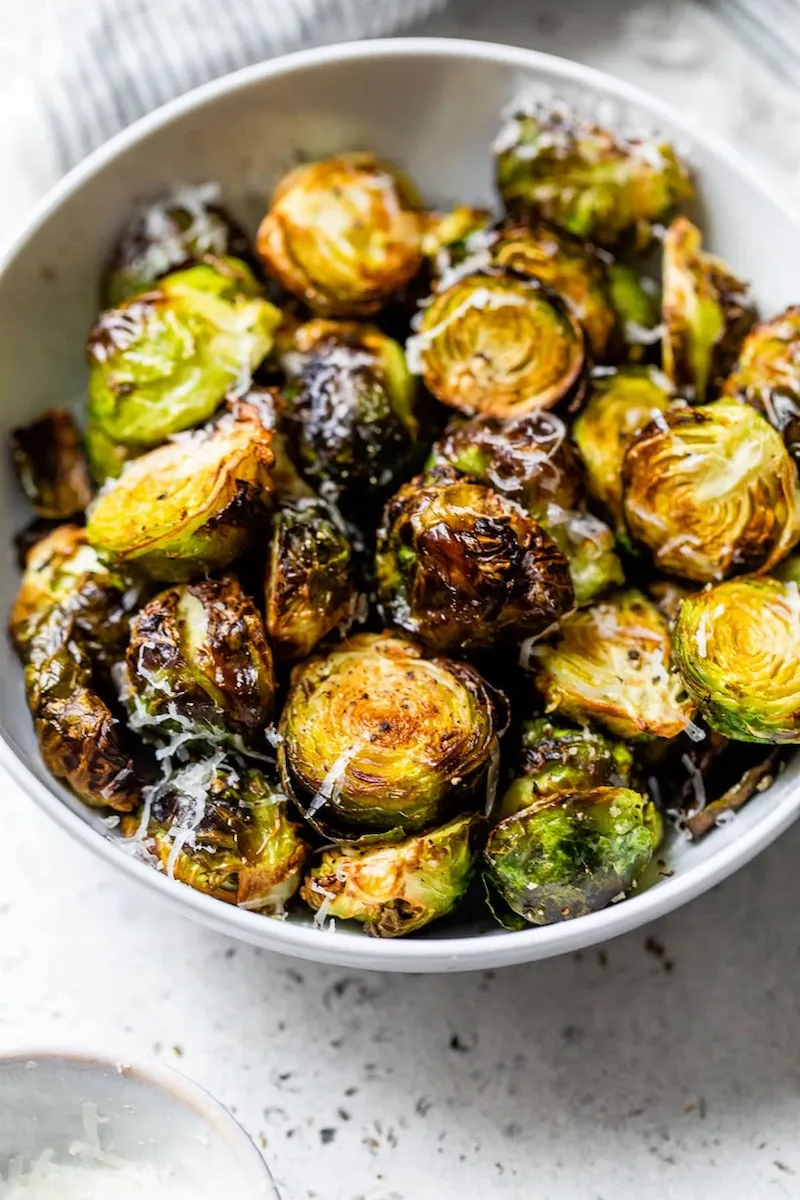
- Vegetables: Broccoli, zucchini, or Brussels sprouts develop wonderful char
- Frozen chicken tenders: Come out crispier than oven-baked
Step-by-Step: Air Fryer French Fries
Let's walk through making perfect frozen french fries—an ideal beginner dish:
- Preheat: Set your air fryer to 400°F (200°C) and let it run for 2-3 minutes
- Load the basket: Add frozen fries to the basket—don't overcrowd! Fill to about half or two-thirds full
- Optional oil: Lightly spray with cooking oil for extra crispiness (not required for most frozen fries)
- Cook: Air fry for 15-20 minutes total
- Shake: Pause and shake the basket (or use tongs to toss) at the halfway point
- Check: Look for golden-brown color and crispy texture
- Season: Sprinkle with salt immediately after cooking
Understanding Your Air Fryer's Quirks
Every air fryer model behaves slightly differently. During your first few cooks, pay attention to:
- Hot spots: Some areas may cook faster than others
- Actual vs. displayed temperature: Some units run hot or cold
- Timing differences: Your results may vary from recipe times by a few minutes
Don't worry—after a few uses, you'll learn your air fryer's personality and can adjust accordingly.
5 Air Fryer Temperature Guide
Getting the temperature right is crucial for perfect results. Different foods require different temperatures to achieve the ideal balance of crispy exterior and properly cooked interior.
General Temperature Guidelines
Temperature Tips by Food Category
Proteins
- Chicken breasts: 360°F for juicy results; higher temps dry them out
- Chicken wings/thighs: 380-400°F for crispy skin
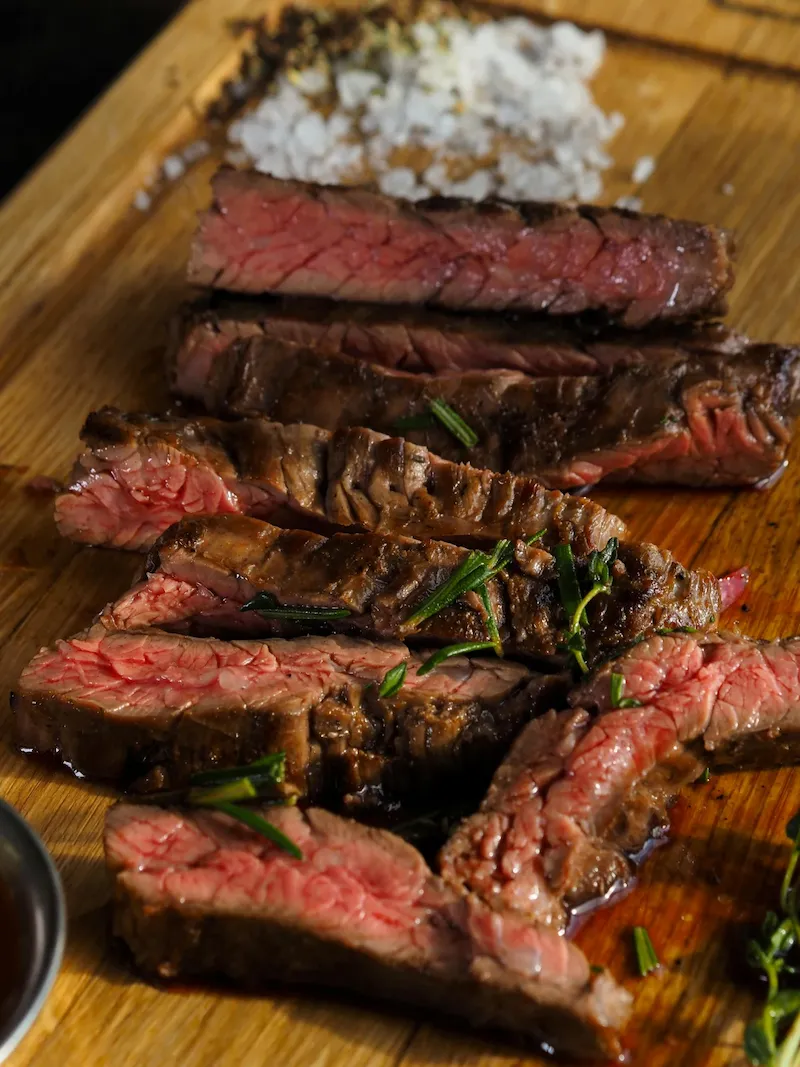
- Steak: 400°F for a good sear; adjust time for desired doneness
- Fish: 350-370°F depending on thickness; lower for delicate fish
- Pork chops: 375°F for bone-in, 360°F for boneless
Vegetables
- Root vegetables: 380-400°F for crispy edges
- Broccoli/cauliflower: 375°F for charred tips while staying tender
- Zucchini/squash: 350-375°F to prevent mushiness
- Asparagus/green beans: 400°F for quick cooking with snap
Frozen Foods
- French fries: 400°F (follow package but often reduce by 25°F)
- Chicken nuggets: 380°F for crispy coating
- Fish sticks: 375°F to prevent burning the breading
- Pizza rolls: 380°F, shake halfway through
Converting Oven Temperatures
When adapting conventional oven recipes for your air fryer:
- Reduce the temperature by 25°F (about 15°C)
- Reduce cooking time by 20-25%
- Check food earlier than expected and adjust
6 Tips for Best Results
Master these techniques and you'll consistently get restaurant-quality results from your air fryer.
Essential Air Frying Tips
1. Always Preheat
Preheating takes just 2-3 minutes but makes a significant difference. A hot air fryer from the start means:
- More consistent cooking
- Better browning and crispiness
- More accurate cooking times
2. Don't Overcrowd the Basket
This is the most common mistake. Overcrowding prevents hot air from circulating properly, resulting in soggy, unevenly cooked food. Guidelines:
- Fill the basket no more than halfway for most foods
- Leave space between items—they shouldn't touch
- Cook in batches if needed; it's worth the extra time
3. Shake or Flip Halfway Through
Most foods benefit from being shaken or flipped at the midpoint:
- Small items (fries, vegetables): shake the basket
- Large items (chicken, steak): flip with tongs
- This ensures even browning on all sides
4. Use Oil Sparingly (But Do Use It)
A light coating of oil improves results without negating the health benefits:
- Use an oil sprayer for even coverage
- 1-2 teaspoons is usually plenty
- High smoke point oils work best: avocado, vegetable, or light olive oil
- Oil helps seasonings stick and promotes browning
5. Pat Food Dry
Excess moisture is the enemy of crispiness. Before cooking:
- Pat proteins dry with paper towels
- Dry vegetables after washing
- Let marinated items drain briefly
6. Use Parchment Paper or Foil Strategically
Perforated parchment liners or aluminum foil can help with:
- Easy cleanup for messy foods
- Preventing delicate items from sticking
- Keeping small pieces from falling through
Important: Always weigh down paper with food—never run the air fryer empty with paper inside, as it can blow into the heating element.
7 Common Air Fryer Mistakes to Avoid
Even experienced cooks make these mistakes when starting with an air fryer. Learn what to avoid for perfect results every time.
Mistake #1: Overcrowding the Basket
The problem: Food comes out soggy or unevenly cooked.
The fix: Cook in batches. It's tempting to pile everything in, but proper air circulation is essential. Your food will cook faster and better in smaller batches.
Mistake #2: Skipping the Preheat
The problem: Inconsistent results, longer cooking times, less crispy food.
The fix: Always preheat for 2-3 minutes. It's a small investment of time that pays off in quality.
Mistake #3: Using Too Much (or Too Little) Oil
The problem: Too much oil makes food greasy and can cause smoking. Too little can result in dry, bland food.
The fix: Use a light spray or brush of oil—about 1-2 teaspoons for most dishes. Focus on surfaces that will be exposed to the air.
Mistake #4: Not Shaking or Flipping
The problem: One side gets crispy while the other stays soft.
The fix: Set a timer for halfway through and shake or flip. Some recipes may need multiple shakes.
Mistake #5: Using the Wrong Temperature
The problem: Running too hot burns the outside before the inside cooks. Too low results in no crispiness.
The fix: Start with recommended temperatures and adjust based on your results. Remember, air fryers run about 25°F hotter than equivalent oven settings.
Mistake #6: Not Drying Food Before Cooking
The problem: Moisture creates steam that prevents crisping.
The fix: Pat proteins dry with paper towels. Dry vegetables after washing. Even frozen foods benefit from a quick wipe to remove frost.
Mistake #7: Using the Wrong Cookware
The problem: Some materials block airflow or aren't heat-safe.
The fix: Use oven-safe, air-fryer-safe containers. Avoid anything that blocks the holes in the basket. Glass and ceramic work but slow down cooking.
Mistake #8: Neglecting to Clean Regularly
The problem: Buildup causes smoke, off-flavors, and can become a fire hazard.
The fix: Clean the basket after every use. Do a deeper clean weekly. A well-maintained air fryer performs better and lasts longer.
8 Cleaning and Maintenance
Proper cleaning keeps your air fryer working efficiently and safely. Plus, a clean air fryer produces better-tasting food without any off-flavors from old residue.
After Every Use: Quick Clean
- Let it cool: Wait 10-15 minutes after cooking before cleaning
- Remove the basket and tray: These are the parts that get dirty
- Wash with warm, soapy water: Use a non-abrasive sponge or cloth
- For stuck-on food: Soak in warm soapy water for 10 minutes
- Rinse and dry thoroughly: Water spots can cause issues over time
- Wipe the interior: Use a damp cloth to remove any splatter
Weekly: Deep Clean
- Unplug the unit and ensure it's completely cool
- Clean the heating element: Use a damp cloth or soft brush to gently remove any residue from the top heating element
- Clean the interior: Wipe down all interior surfaces with a mixture of water and mild dish soap
- Check the air vents: Make sure the back vents aren't blocked or dusty
- Exterior wipe-down: Clean the outside with a damp cloth
Dealing with Stubborn Residue
For tough, baked-on messes:
- Baking soda paste: Mix baking soda with water, apply to residue, let sit 15-20 minutes, then scrub gently
- Vinegar soak: Soak the basket in equal parts water and white vinegar for 30 minutes
- Avoid: Metal scouring pads, abrasive cleaners, or anything that could damage the non-stick coating
What NOT to Do
- Don't submerge the main unit in water—ever
- Don't put parts in the dishwasher unless the manual specifically says it's safe (many non-stick coatings degrade faster in dishwashers)
- Don't use metal utensils that can scratch the non-stick coating
- Don't use harsh chemicals or abrasive cleaners
Maintenance Tips for Longevity
- Store properly: Keep in a dry place with the basket slightly ajar for airflow
- Check the cord: Regularly inspect for any damage
- Replace worn parts: If the non-stick coating is peeling, it's time for a new basket
- Keep vents clear: Ensure nothing blocks the air intake or exhaust
9 What Can You Cook in an Air Fryer?
Air fryers are incredibly versatile. Here's a comprehensive look at what works well—and what doesn't.
Foods That Excel in an Air Fryer
Proteins
- Chicken: Wings, drumsticks, thighs, breasts, tenders
- Beef: Steaks, burgers, meatballs
- Pork: Chops, tenderloin, bacon
- Fish: Salmon, cod, tilapia, fish sticks
- Shrimp: Plain, breaded, or coconut-crusted
Vegetables
- Root vegetables: Potatoes, carrots, beets, sweet potatoes
- Cruciferous: Brussels sprouts, broccoli, cauliflower
- Quick-cooking: Asparagus, green beans, zucchini
- Hearty: Squash, eggplant, corn on the cob
Frozen Foods
Air fryers bring frozen foods to a whole new level:
- French fries and tater tots
- Chicken nuggets and tenders
- Mozzarella sticks and jalapeño poppers
- Pizza rolls and hot pockets
- Fish sticks and breaded shrimp
- Frozen vegetables
Reheating
Air fryers are superior to microwaves for reheating:
- Pizza (stays crispy, not soggy)
- Fried foods (restores crispiness)
- Roasted vegetables
- Leftover proteins
Surprising Foods That Work
- Hard-boiled eggs: No water needed
- Toast and bagels: Quick and even
- Baked potatoes: Crispy skin, fluffy inside
- Roasted chickpeas: Perfect crunchy snack
- Donuts: From canned biscuit dough
- Quesadillas: Perfectly crispy tortillas
Foods to Avoid
- Wet batters: Tempura or beer batter will drip off and make a mess—use dry breading instead
- Leafy greens: Lightweight items will blow around and burn
- Whole roasts: Too large for most air fryers to cook evenly
- Fresh cheese: Will melt and drip everywhere (processed cheese works better)
- Pasta: Requires liquid to cook
- Rice: Same as pasta—needs water
10 Useful Air Fryer Accessories
While your air fryer works great on its own, a few accessories can expand what you can cook and make cleanup easier.
Must-Have Accessories
Oil Sprayer
A refillable oil sprayer gives you control over how much oil you use. Fill it with your preferred cooking oil for even, light coverage. Avoid aerosol cooking sprays, which can damage non-stick coatings over time.
Perforated Parchment Liners
These make cleanup a breeze for messy foods. The perforations allow air to circulate while catching drips and crumbs. Buy ones sized for your air fryer, or cut regular parchment paper and punch holes in it.
Silicone Tongs
Essential for flipping food without scratching the non-stick basket. Look for heat-resistant silicone tips.
Instant-Read Thermometer
The best way to ensure proteins are cooked to safe temperatures. Insert into the thickest part of the meat for an accurate reading.
Nice-to-Have Accessories
Silicone Basket Liner
Reusable alternative to parchment paper. Easy to clean and environmentally friendly.
Grill Pan Insert
Creates grill marks and elevates food for better air circulation underneath. Great for steaks, burgers, and vegetables.
Baking Pan/Cake Pan
Opens up possibilities for baking small cakes, brownies, and casseroles. Make sure it fits in your air fryer with room for air to circulate.
Skewer Rack
Holds kebabs upright for even cooking without turning. Great for meat and vegetable skewers.
Multi-Level Racks
Allow you to cook more food at once by creating additional levels. Useful for larger meals or cooking different items simultaneously.
Tips for Buying Accessories
- Always check that accessories fit your specific air fryer model—measure the basket dimensions
- Ensure materials are rated for air fryer temperatures (typically up to 400-450°F)
- Avoid non-stick-coated accessories if possible—they can wear out quickly
- Silicone and stainless steel are generally the most durable options
11 Frequently Asked Questions
Do I need to preheat my air fryer?
Yes, preheating your air fryer for 2-3 minutes is recommended for best results. Preheating ensures consistent cooking temperatures and helps achieve better browning and crispiness. Some newer models have quick-heating elements that may not require preheating—check your manual. However, most recipes assume a preheated air fryer, so skipping this step may require adding a minute or two to your cooking time.
Can I use aluminum foil or parchment paper in an air fryer?
Yes, both aluminum foil and parchment paper are safe to use in an air fryer, with some precautions. Always weigh the paper or foil down with food—never run the air fryer empty with either material inside, as the circulating air can blow it into the heating element and cause a fire. Parchment paper should be perforated (with holes) to allow proper air circulation. Foil works well for wrapping foods or lining the basket for easy cleanup. Avoid covering all the holes in the basket, as this blocks airflow.
How much oil should I use in an air fryer?
Most foods need only 1-2 teaspoons of oil, applied with a spray bottle or brush for even coverage. Some foods (like frozen fries that are already pre-oiled) may not need any additional oil. The goal is a light coating to promote browning and help seasonings stick—not enough to pool or drip. Use oils with high smoke points like avocado, vegetable, or light olive oil. Avoid aerosol cooking sprays with propellants, as they can damage the non-stick coating over time.
Why is my air fryer smoking?
Smoking usually results from excess fat or oil dripping onto the heating element, or from food residue burning from a previous cooking session. To prevent this: use less oil, clean your air fryer thoroughly after each use, and add a tablespoon of water to the bottom of the basket when cooking fatty foods like bacon. If smoking occurs during cooking, stop the air fryer, let it cool, clean out any excess grease, and resume cooking. Using the correct temperature also helps—too high can burn oils.
Can I cook frozen food in an air fryer?
Absolutely! Air fryers excel at cooking frozen foods—often better than an oven. No thawing is required for most items. Simply add a few extra minutes to the cooking time compared to fresh food. You may need to shake or flip frozen items more frequently for even cooking. Frozen french fries, chicken nuggets, fish sticks, and vegetables all turn out exceptionally well in an air fryer. Check the package for air fryer instructions, or use the oven temperature minus 25°F as a starting point.
How do I convert oven recipes to air fryer?
To convert conventional oven recipes: reduce the temperature by 25°F (about 15°C) and reduce the cooking time by about 20-25%. For example, if a recipe calls for 400°F for 20 minutes in the oven, try 375°F for 15-16 minutes in the air fryer. Start checking your food earlier than you think necessary—you can always add more time, but you can't undo overcooking. Keep notes on adjustments that work well for future reference.
Is air frying healthier than deep frying?
Yes, air frying is significantly healthier than deep frying. Air-fried food contains 70-80% less fat because you're using 1-2 teaspoons of oil instead of cups of oil for deep frying. This reduces calories while still achieving crispy results. Air frying also produces fewer harmful compounds like acrylamide (associated with high-temperature oil cooking) and eliminates the risks associated with handling large amounts of hot oil. However, the healthiness of your meal still depends on what you're cooking—air-fried vegetables are healthier than air-fried frozen mozzarella sticks.
Why is my food not crispy?
Several factors can prevent crispiness: the basket is overcrowded (air can't circulate properly), food wasn't dried before cooking (excess moisture creates steam), not enough oil was used (a light coating helps browning), the temperature is too low, or you didn't preheat the air fryer. To fix: cook in smaller batches, pat food dry, use a light oil spray, increase temperature by 10-25°F, and always preheat. Shaking or flipping food halfway through also ensures all sides get crispy.
Can I put water in my air fryer?
You can add a small amount of water (1-2 tablespoons) to the bottom drawer or tray beneath the basket when cooking fatty foods. This helps reduce smoke by catching dripping fat. However, never fill the basket with water or submerge food in water—the air fryer is designed for dry cooking, not steaming or boiling. Adding too much water can damage the heating element and create dangerous steam. For foods that need moisture, consider covering with foil or using a separate oven-safe dish inside the basket.
How often should I clean my air fryer?
Clean the basket and tray after every use to prevent buildup that causes smoke and off-flavors. This quick wash takes just a few minutes with warm soapy water. Do a deeper clean weekly: wipe down the interior, clean the heating element with a damp cloth, and check the air vents for dust. If you notice any buildup, smoke during cooking, or flavors transferring between dishes, it's time for a thorough cleaning. Regular maintenance keeps your air fryer performing well and extends its lifespan.
Can I open the air fryer while cooking?
Yes, it's completely safe to open your air fryer during cooking to check on food, shake the basket, or flip items. Most air fryers automatically pause when you remove the basket and resume when you put it back. Unlike an oven, the small cooking chamber recovers temperature quickly, so opening it doesn't significantly impact cooking time. In fact, most recipes recommend opening the air fryer halfway through to shake or flip food for even cooking.
What size air fryer do I need?
Choose based on your household size: 2-3 quart capacity works for 1-2 people, 4-5 quarts is ideal for 2-3 people or small families, and 6+ quarts suits families of 4 or more or those who frequently entertain. Consider what you'll cook most—larger cuts of meat or whole chickens need more space. Also factor in counter space, as larger air fryers have a significant footprint. When in doubt, go slightly larger—you can always cook less food, but you can't fit more than the basket allows.