1 Introduction: The Versatility of Air Fryers
If you've just unboxed a new air fryer or you're trying to get more out of the one sitting on your counter, you're probably wondering: what can I actually cook in this thing? The short answer is: almost everything. The longer answer is what this comprehensive guide is all about.
Air fryers have revolutionized home cooking by offering a way to achieve crispy, delicious results with minimal oil and maximum convenience. But their capabilities extend far beyond the obvious french fries and chicken wings. From perfectly seared steaks to roasted vegetables, from frozen convenience foods to freshly baked treats, your air fryer can handle an impressive range of cooking tasks.
In this guide, we'll explore every category of food you can cook in an air fryer, provide temperature and time guidelines, highlight the surprising foods that work beautifully, and—just as importantly—tell you what to avoid. By the end, you'll have a complete understanding of your air fryer's potential and the confidence to experiment with all kinds of recipes.
Whether you're cooking for one, feeding a family, or prepping meals for the week, your air fryer can become the most versatile appliance in your kitchen. Let's dive in and discover everything you can cook.
2 Proteins: Chicken, Beef, Pork, Fish & Seafood
Proteins are where air fryers truly shine. The intense, circulating heat creates beautifully browned exteriors while keeping interiors juicy—something that's often hard to achieve in a conventional oven without drying things out.
Chicken
Chicken in all its forms is arguably the most popular air fryer food, and for good reason.
Chicken Wings: The air fryer's signature dish. Wings develop incredibly crispy skin without deep frying. Cook at 380-400°F for 22-28 minutes, flipping halfway through. No breading needed—the skin crisps naturally as fat renders out. Toss with your favorite sauce after cooking.
Chicken Thighs: Bone-in, skin-on thighs become restaurant-quality in the air fryer. The fat renders beautifully, creating shatteringly crisp skin over juicy meat. Cook at 380°F for 20-25 minutes, skin-side up for most of the cooking time.
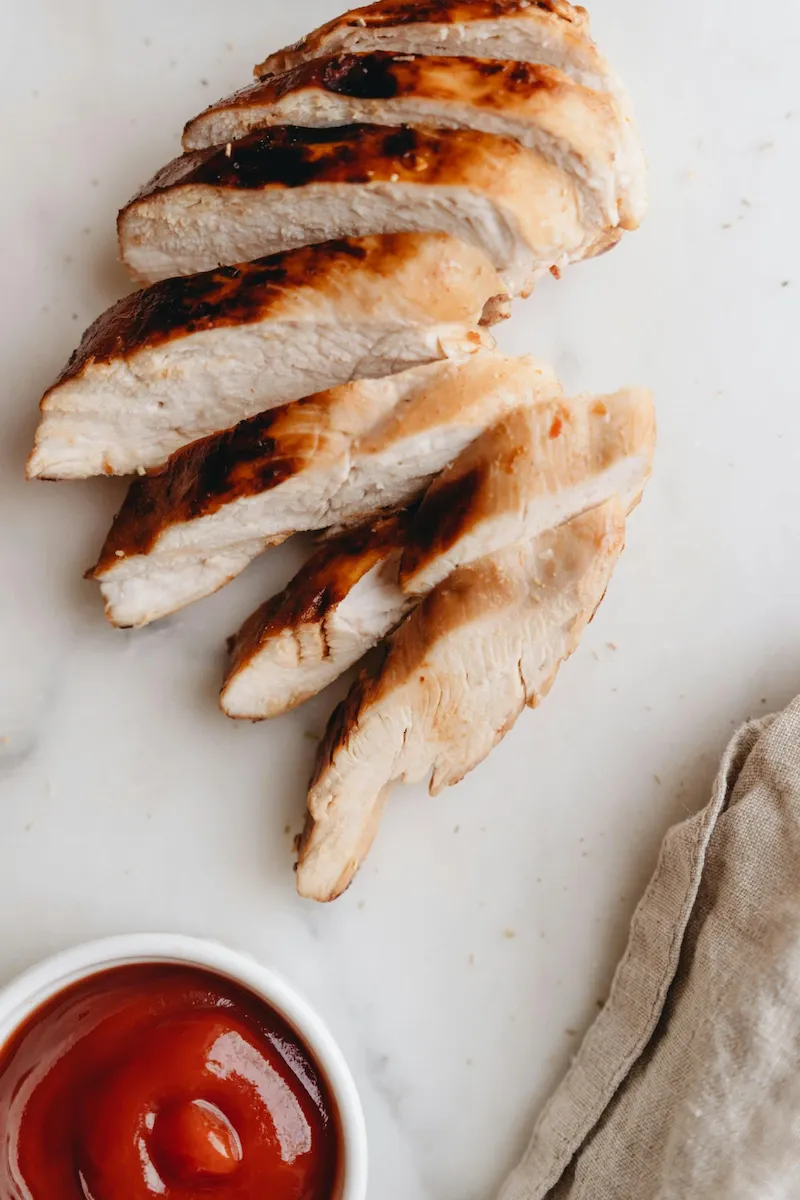
Chicken Breast: Often dry when oven-baked, chicken breasts stay juicy in the air fryer thanks to faster cooking. Cook at 360-375°F for 15-18 minutes for boneless breasts. Use a meat thermometer—165°F internal temperature ensures both safety and juiciness.
Chicken Tenders & Nuggets: Whether homemade with breadcrumb coating or frozen from the bag, the air fryer delivers perfect crunch. Homemade tenders: 375°F for 10-12 minutes. Frozen nuggets: 380°F for 8-10 minutes.
Whole Chicken: Larger air fryers (6+ quarts) can handle small whole chickens (up to 5 pounds). Roast at 360°F for 50-60 minutes, or about 10 minutes per pound. The skin won't be quite as evenly golden as oven-roasted, but it's delicious nonetheless.
Beef
From quick-cooking steaks to ground beef, the air fryer handles beef beautifully.
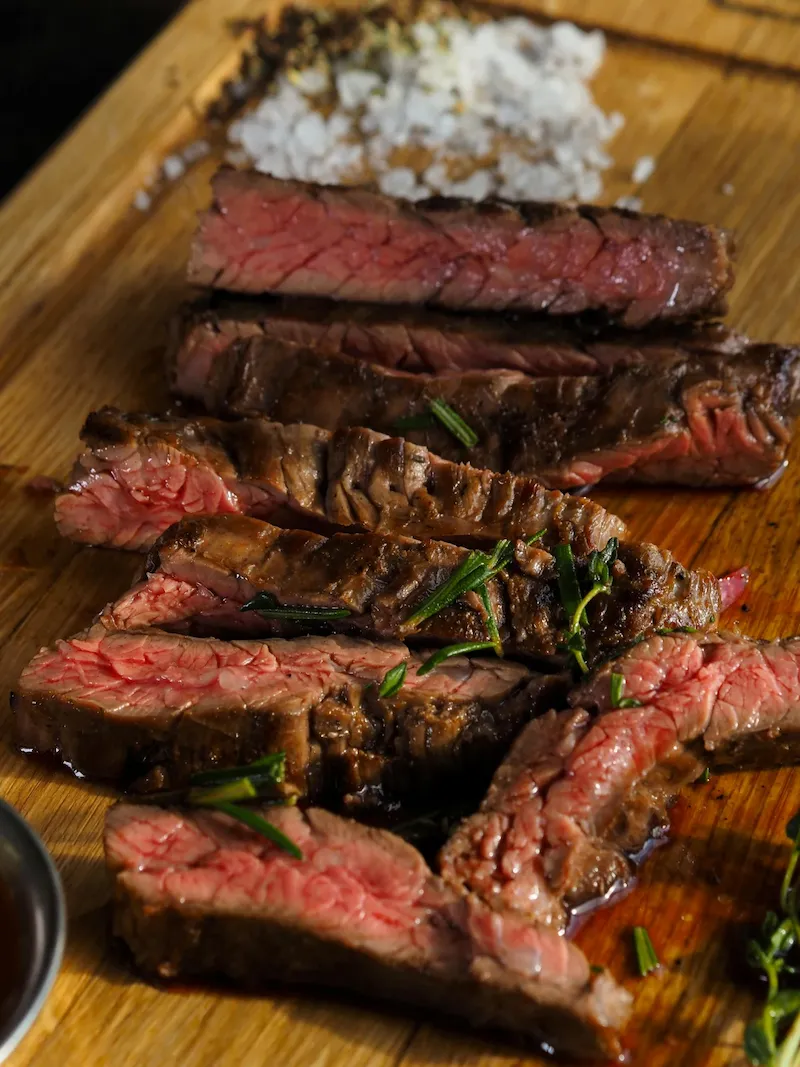
Steaks: The air fryer produces excellent steaks with a good crust. Cook at 400°F—timing depends on thickness and desired doneness. A 1-inch steak takes about 8-10 minutes for medium-rare, flipping halfway. Let rest 5 minutes before cutting. For a complete guide, check our Air Fryer Steak recipe.
Burgers: Air fryer burgers cook evenly and stay incredibly juicy. Form ¾-inch thick patties and cook at 375°F for 8-10 minutes, flipping once. Add cheese in the last minute if desired.
Meatballs: Perfectly browned meatballs without standing over a pan. Roll into 1.5-inch balls and cook at 380°F for 10-12 minutes, shaking the basket halfway through.
Beef Tips: Cut into 1-inch cubes, season well, and cook at 400°F for 8-10 minutes, shaking halfway. Perfect for stir-fries or over rice.
Pork
Pork's natural fat content makes it ideal for air frying.
Pork Chops: Bone-in or boneless chops come out perfectly. Cook bone-in at 375°F for 12-15 minutes, boneless at 360°F for 10-12 minutes. Internal temperature should reach 145°F.
Pork Tenderloin: The leanest cut of pork stays moist in the air fryer. Sear at 400°F for 4 minutes per side, then reduce to 360°F for 10-15 minutes until internal temp reaches 145°F.
Bacon: Possibly the most perfect air fryer food. Lay strips flat without overlapping and cook at 350-400°F for 8-12 minutes depending on thickness and crispness preference. No flipping needed. Check our perfect air fryer bacon guide.
Pork Belly: Creates crispy, indulgent bites. Score the skin, season, and cook at 400°F for 25-30 minutes. The fat renders and skin crisps beautifully.
Fish & Seafood
Delicate fish and seafood cook quickly and come out perfectly in the air fryer.
Salmon: Air fryer salmon develops a beautiful crust while staying flaky inside. Cook skin-side down at 380°F for 8-12 minutes depending on thickness. No flipping needed. See our Air Fryer Salmon recipe for techniques.
White Fish (Cod, Tilapia, Halibut): These mild fish work wonderfully plain or breaded. Cook at 370°F for 8-10 minutes. Breaded fillets may need slightly higher heat (380°F) for crisp coating.
Shrimp: From plain seasoned shrimp to coconut-crusted, the air fryer delivers. Cook at 375°F for 5-8 minutes depending on size, shaking halfway. Shrimp is done when pink and opaque.
Scallops: Sear beautifully in the air fryer. Pat very dry, brush with butter, and cook at 400°F for 5-7 minutes. They'll develop a golden crust.
Crab Cakes: Homemade or store-bought, they crisp up perfectly. Cook at 370°F for 8-10 minutes, gently flipping halfway.
3 Vegetables: Roasted, Crispy & Caramelized
Air fryers transform vegetables in ways that conventional ovens struggle to match. The intense heat and rapid air circulation create charred edges and caramelized surfaces while maintaining tender interiors—all in a fraction of the time.
Root Vegetables
Dense, hearty vegetables roast beautifully in the air fryer.
Potatoes: The air fryer's most famous vegetable application. Cut into fries, cubes, wedges, or leave whole for baked potatoes. Fries: 400°F for 15-20 minutes. Baked potatoes: 400°F for 35-40 minutes. Always dry potatoes and add a light coating of oil for best crispness. For perfect fries, see our Air Fryer French Fries recipe.
Sweet Potatoes: Develop wonderful caramelization. Cubed: 380°F for 15-18 minutes. Whole: 400°F for 35-45 minutes depending on size. The natural sugars create crispy, caramelized edges.
Carrots: Whole baby carrots or cut pieces become sweet and slightly charred. Cook at 380°F for 12-15 minutes, shaking halfway. Toss with honey or maple for extra sweetness.
Beets: Roast whole (wrapped in foil) or cubed. Cubed: 400°F for 20-25 minutes. Whole small beets: 400°F for 45-55 minutes. The concentrated heat intensifies their earthy sweetness.
Parsnips & Turnips: Cut into sticks like fries and cook at 400°F for 15-20 minutes. They develop a slightly sweet, caramelized flavor.
Cruciferous Vegetables
These vegetables develop incredible flavor when their edges char and crisp.
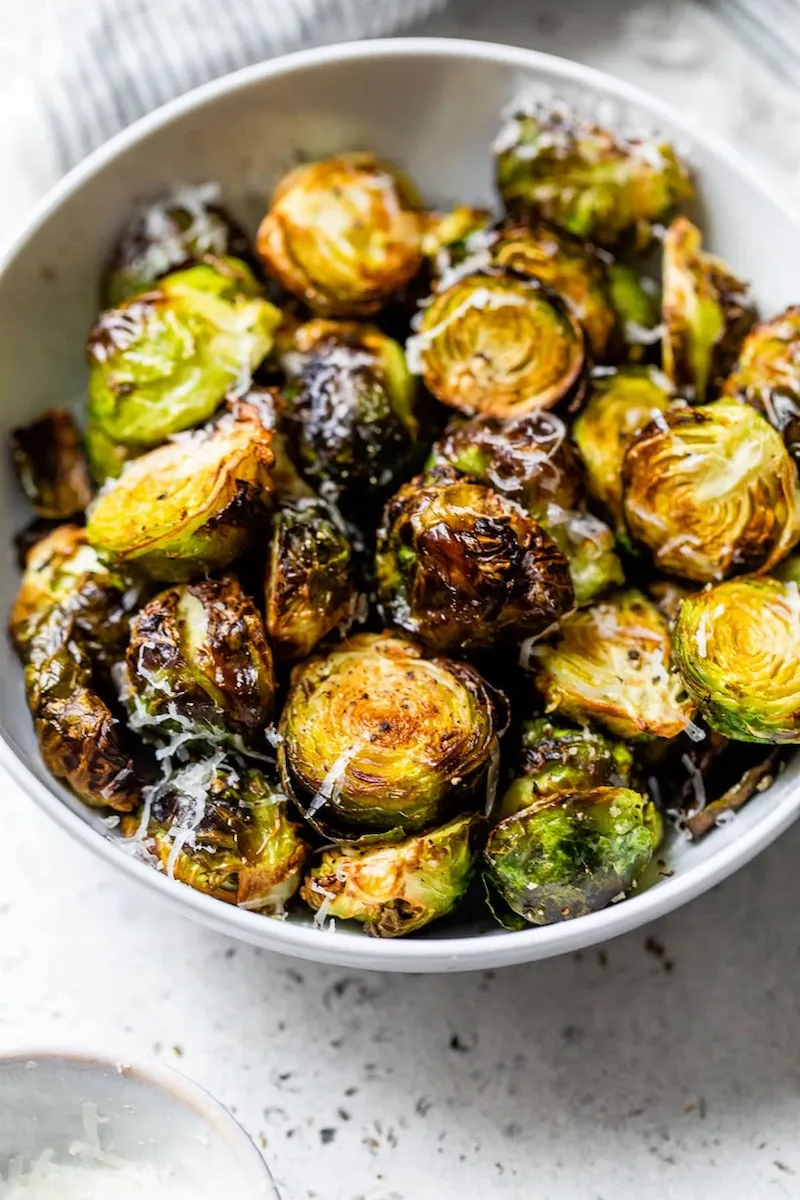
Brussels Sprouts: Perhaps the best air fryer vegetable. Halve them, toss with oil and seasonings, and cook at 375-400°F for 15-20 minutes, shaking halfway. The outer leaves become crispy chips while centers stay tender. See our Air Fryer Brussels Sprouts recipe.
Broccoli: Cut into florets, toss with oil, and cook at 375°F for 8-12 minutes. The tips char and crisp while stems stay tender. Shake basket every 4-5 minutes.
Cauliflower: Whole head or florets both work well. Florets: 400°F for 15-18 minutes. For "cauliflower steaks," slice the head into 1-inch thick slabs and cook at 400°F for 12-15 minutes per side.
Cabbage: Cut into wedges or thick slices. Brush with oil, season, and cook at 375°F for 12-15 minutes. Creates a wonderful charred exterior with tender layers.
Quick-Cooking Vegetables
These vegetables cook fast and develop great texture.
Asparagus: Trim woody ends, toss with oil, and cook at 400°F for 5-8 minutes depending on thickness. Shake once during cooking. Perfectly tender-crisp in minutes.
Green Beans: Fresh beans become blistered and slightly charred. Cook at 400°F for 8-10 minutes, shaking halfway. They'll have a satisfying snap.
Zucchini & Summer Squash: Slice into rounds or sticks. Cook at 375°F for 10-12 minutes. Don't overcook—they should be tender but not mushy.
Bell Peppers: Sliced peppers become sweet and slightly charred. Cook at 400°F for 8-10 minutes, shaking occasionally. Perfect for fajitas or as a side.
Mushrooms: Whole button mushrooms or sliced portobellos work great. Cook at 375°F for 8-12 minutes, shaking halfway. They shrink but become intensely flavorful.
Hearty Vegetables
Larger vegetables that hold up well to high heat.
Eggplant: Slice into rounds or cubes. Brush with oil generously (eggplant absorbs it) and cook at 400°F for 12-15 minutes. Creates a creamy interior with crispy exterior.
Corn on the Cob: Brush with butter and seasonings, cook at 400°F for 10-12 minutes, rotating halfway. Develops slightly charred, sweet kernels.
Butternut Squash: Cube and cook at 380°F for 20-25 minutes, shaking occasionally. The edges caramelize beautifully.
Vegetable Cooking Tips
- Always coat vegetables with a light layer of oil for proper browning
- Don't overcrowd—vegetables need space for air circulation
- Cut pieces similar sizes for even cooking
- Shake or stir halfway through for even crisping
- Season after cooking for certain spices (garlic, herbs) that can burn
4 Frozen Foods: From Convenience to Crispy Perfection
If air fryers excel at one thing above all else, it's making frozen foods taste dramatically better than oven-baked versions. The intense heat and rapid circulation transform frozen convenience foods into crispy, golden results that rival (or surpass) deep-fried versions.
Frozen Fries & Potatoes
The reason many people buy an air fryer in the first place.
French Fries: Whether shoestring, crinkle-cut, or steak fries, they all crisp up perfectly. Cook at 400°F for 15-20 minutes, shaking basket every 5 minutes. No oil needed—they're already coated.
Tater Tots: Achieve ideal crispness impossible in a regular oven. Cook at 400°F for 12-15 minutes, shaking twice during cooking.
Hash Browns: Patties or shredded, both work well. Patties: 380°F for 10-12 minutes, flip once. Shredded: 400°F for 15-18 minutes, stirring occasionally.
Potato Wedges: Cook at 400°F for 15-18 minutes, shaking halfway. Crispy outside, fluffy inside.
Frozen Chicken
Frozen breaded chicken products are air fryer superstars.
Chicken Nuggets: Cook at 380°F for 8-10 minutes, shaking halfway. Crispier than any oven can achieve.
Chicken Tenders: Cook at 380°F for 10-12 minutes, flipping once. The breading gets perfectly golden.
Chicken Patties: Cook at 380°F for 10-12 minutes, flip once. Great for sandwiches.
Chicken Wings: Frozen wings need longer than fresh. Cook at 380°F for 25-30 minutes, flipping every 10 minutes.
Breaded Chicken Breast: Those thin, breaded cutlets cook at 375°F for 12-15 minutes, flipping once.
Frozen Appetizers & Snacks
Game day favorites become easy weeknight treats.
Mozzarella Sticks: Cook at 380°F for 6-8 minutes. Don't overcook or cheese will escape. Check early—they go from perfect to burst quickly.
Jalapeño Poppers: Cook at 375°F for 8-10 minutes. The breading crisps while cheese melts inside.
Pizza Rolls: Cook at 380°F for 6-8 minutes, shaking halfway. Let cool briefly—the filling is molten!
Hot Pockets/Calzones: Cook at 375°F for 12-15 minutes. The exterior gets crispy instead of soggy.
Egg Rolls/Spring Rolls: Cook at 380°F for 8-12 minutes, flipping once. Crispier than deep-fried versions.
Onion Rings: Cook at 380°F for 8-10 minutes, shaking occasionally. Golden and crunchy.
Frozen Seafood
Breaded seafood crisps beautifully from frozen.
Fish Sticks: Cook at 380°F for 10-12 minutes, flipping halfway. Perfect crunch every time.
Popcorn Shrimp: Cook at 380°F for 6-8 minutes, shaking twice during cooking.
Breaded Fish Fillets: Cook at 380°F for 12-15 minutes, flipping once. Much better than microwave instructions.
Coconut Shrimp: Cook at 375°F for 8-10 minutes. The coconut toasts perfectly.
Other Frozen Favorites
Frozen Pizza: Personal pizzas and small frozen pizzas work well in larger air fryers. Cook at 375°F for 8-12 minutes depending on size. The crust gets crispier than conventional oven.
Frozen Vegetables: Frozen broccoli, cauliflower, and other vegetables roast well. Thaw first (or expect longer cooking), toss with oil, and cook at 400°F for 10-15 minutes.
Frozen Burritos: Cook at 375°F for 12-15 minutes, flipping halfway. The tortilla crisps instead of getting soggy.
Frozen Food Tips
- No need to thaw—cook straight from frozen
- Reduce package oven temperature by 25°F
- Reduce package oven time by 20-30%
- Single layer is essential—don't stack or overlap
- Shake or flip halfway for even cooking
- Check earlier than package times—air fryers cook faster
5 Baked Goods & Desserts
While air fryers aren't designed to replace your oven for delicate baking, they can handle a surprising variety of baked goods and desserts. The key is understanding what works and adapting your expectations.
What Bakes Well
Biscuits (from canned dough): These are air fryer magic. Cook at 320-330°F for 8-10 minutes. They puff up golden and fluffy, sometimes better than oven-baked. Leave space between them for expansion.
Air Fryer "Donuts": Use canned biscuit dough—cut out centers with a small round cutter, cook at 350°F for 5-6 minutes, then coat in cinnamon sugar or glaze. Easy homemade donuts!
Cinnamon Rolls: Canned cinnamon rolls work perfectly. Cook at 320°F for 8-10 minutes. Don't crowd—they expand. Add frosting immediately after cooking.
Cookies: Small batches of cookies bake well. Use a parchment round and cook at 325°F for 6-10 minutes depending on size. They won't be quite oven-perfect, but they're convenient for small batches.
Brownies: Use a small pan that fits your air fryer (leave 1 inch clearance). Bake at 325°F for 20-25 minutes. Cover with foil if top browns too quickly.
Muffins: Using silicone muffin cups or a small muffin tin, bake at 325°F for 12-15 minutes. Perfect for small batches.
Desserts That Excel
Hand Pies: Homemade or frozen hand pies with fruit filling crisp up beautifully. Cook at 375°F for 8-12 minutes until golden.
Apple Chips: Thinly slice apples (use a mandoline), sprinkle with cinnamon, and cook at 300°F for 15-20 minutes, checking frequently. Crispy, healthy snacks!
Fried Oreos/Twinkies: Wrap in crescent roll dough, cook at 350°F for 8-10 minutes. State fair treats at home.
Churros: Pipe churro dough directly into the air fryer (on parchment). Cook at 375°F for 8-10 minutes, then roll in cinnamon sugar.
S'mores Dip: In a small oven-safe dish, layer chocolate and marshmallows. Cook at 375°F for 5-7 minutes until marshmallows are golden. Serve with graham crackers for dipping.
Banana Chips: Slice bananas thin, brush with lemon juice (prevents browning), and cook at 300°F for 15-20 minutes until crispy.
Reheating Baked Goods
The air fryer excels at refreshing day-old baked goods:
- Croissants: 300°F for 3-4 minutes—crispy exterior, warm interior
- Donuts: 300°F for 2-3 minutes—restores that fresh-from-shop texture
- Muffins: 300°F for 3-4 minutes
- Bread: 300°F for 2-3 minutes per side for toast-like results
Baking Tips for Air Fryers
- Lower temperatures than oven recipes—325-350°F is common
- Use oven-safe pans or silicone molds that fit with clearance
- Cover with foil if tops brown before interiors cook
- Smaller items work better than large cakes
- Allow for airflow—don't press items against walls
- Check frequently—baking times vary significantly between models
6 Snacks & Appetizers
Air fryers transform snack time. Whether you're making party appetizers or satisfying late-night cravings, these crispy creations are quick, easy, and delicious.
Crispy Snacks
Roasted Chickpeas: Drain and dry canned chickpeas thoroughly. Toss with oil and seasonings, cook at 400°F for 12-15 minutes, shaking every 5 minutes. Crispy, protein-packed snacking! See our Crispy Air Fryer Chickpeas recipe.
Kale Chips: Remove stems, tear into pieces, massage with a tiny bit of oil. Cook at 350°F for 5-8 minutes, watching carefully. They burn quickly but are incredibly addictive when done right.
Crispy Edamame: Use frozen shelled edamame, thaw, pat dry, toss with oil and seasonings. Cook at 375°F for 12-15 minutes until crunchy.
Roasted Nuts: Toss with butter or oil and seasonings. Cook at 320°F for 5-8 minutes, shaking frequently. Watch carefully—they go from perfect to burnt quickly.
Potato Skins: Cut baked potatoes in half, scoop most of the flesh, brush with butter. Cook at 400°F for 8-10 minutes until crispy. Top with cheese, bacon, and sour cream.
Cheese & Dairy
Halloumi Cheese: This cheese is made for air frying—it won't melt! Slice into ½-inch pieces, cook at 400°F for 6-8 minutes, flipping once. Golden, crispy, and squeaky.
Cheese Crisps: Place small mounds of shredded parmesan on parchment. Cook at 375°F for 3-5 minutes until golden. Crispy cheese snacks!
Stuffed Mushrooms: Fill button mushroom caps with cream cheese mixture. Cook at 375°F for 8-10 minutes until filling is golden and bubbly.
Wrapped & Rolled
Pigs in a Blanket: Wrap mini sausages in crescent dough. Cook at 375°F for 8-10 minutes until golden brown.
Wontons: Fill wonton wrappers with meat or vegetable filling, seal, brush with oil. Cook at 375°F for 8-10 minutes, turning halfway. Crispy without deep frying.
Rangoons (Crab, Cream Cheese): Fill wonton wrappers with cream cheese mixture, fold into triangles, seal edges. Cook at 370°F for 6-8 minutes. Restaurant-quality at home.
Spring Roll Wrappers: Fill with any combination (try avocado and shrimp!), roll tightly, brush with oil. Cook at 375°F for 8-10 minutes.
Dips & Accompaniments
Blooming Onion: Cut onion into "bloom" shape, bread with seasoned coating. Cook at 375°F for 20-25 minutes until golden. Serve with dipping sauce.
Fried Pickles: Coat pickle chips in seasoned flour and breadcrumbs. Cook at 400°F for 6-8 minutes until crispy.
Zucchini Fries: Cut zucchini into sticks, bread with panko. Cook at 400°F for 10-12 minutes. Crispy exterior, tender interior.
Bacon-Wrapped Anything: Wrap bacon around dates, shrimp, asparagus, or water chestnuts. Cook at 375°F for 10-15 minutes, turning occasionally. The bacon crisps while infusing flavor.
Quick Party Bites
Pizza Bites: Top crescent dough squares with pizza sauce, cheese, and pepperoni. Cook at 375°F for 6-8 minutes.
Caprese Bites: Thread mozzarella balls, cherry tomatoes, and basil on toothpicks. Drizzle with balsamic and a quick air fry at 350°F for 2-3 minutes warms everything through.
Buffalo Cauliflower: Toss cauliflower florets in seasoned batter, cook at 400°F for 15-18 minutes, then toss in buffalo sauce. Vegetarian wing alternative!
7 Reheating: Restoring Leftover Perfection
If you only use your air fryer for one thing, make it reheating leftovers. The air fryer restores crispiness that microwaves destroy, turning day-old food back into something that tastes freshly made.
Why Air Fryers Excel at Reheating
Microwaves heat food by exciting water molecules, which creates steam and makes previously crispy foods soggy. Air fryers do the opposite—they circulate hot, dry air that crisps exteriors while warming interiors. The result is reheated food that often tastes better than when it was first served.
Pizza Reheating
This alone justifies owning an air fryer. Leftover pizza reheated in an air fryer has a crispy crust, melty cheese, and hot toppings—just like fresh from the pizzeria.
- Temperature: 325-350°F
- Time: 3-5 minutes depending on slice thickness
- Tip: Start at 325°F for thick crusts to heat through without burning toppings
Fried Foods
Fried chicken, french fries, onion rings, mozzarella sticks—anything that was once crispy can be restored.
- Fried Chicken: 375°F for 5-8 minutes. The skin re-crisps while the meat stays juicy.
- French Fries: 375°F for 3-5 minutes. Shake halfway for even crisping.
- Onion Rings/Mozzarella Sticks: 350°F for 3-4 minutes.
- Egg Rolls: 375°F for 3-4 minutes.
Proteins
Leftover proteins reheat without drying out when done correctly.
- Steak: 350°F for 3-5 minutes. Goes from cold to warm without overcooking.
- Chicken Breast: 350°F for 4-6 minutes. Add a light spray of oil for moisture.
- Fish: 325°F for 3-5 minutes. Lower heat prevents drying.
- Meatballs: 350°F for 4-6 minutes.
Baked Goods & Bread
Revive day-old baked goods to just-baked freshness.
- Croissants/Pastries: 300°F for 2-3 minutes. Crispy and warm.
- Bread/Rolls: 300°F for 2-3 minutes. Add a light spritz of water for softer interior.
- Garlic Bread: 350°F for 2-3 minutes.
- Donuts: 300°F for 2-3 minutes. Tastes freshly glazed.
Other Reheating Wins
- Roasted Vegetables: 375°F for 3-5 minutes. Re-crisps edges.
- Quesadillas: 350°F for 2-3 minutes. Restores tortilla crunch.
- Tacos (crispy shell): 350°F for 2-3 minutes.
- Pancakes/Waffles: 350°F for 2-3 minutes. Better than microwave, almost as good as toaster.
- Empanadas/Hand Pies: 350°F for 4-5 minutes.
Reheating Tips
- Use lower temperatures than original cooking (325-375°F)
- Check frequently—reheating is fast
- A light spray of oil helps crispy items re-crisp
- Don't overcrowd—single layer works best
- Let items rest a minute before eating—interiors can be hotter than exteriors
8 Unexpected Foods That Work Great
Beyond the obvious candidates, air fryers can handle some surprising foods. These creative uses might change how you think about your appliance.
Eggs
"Hard-Boiled" Eggs: Yes, you can make hard-boiled eggs in an air fryer with no water. Place eggs directly in the basket and cook at 270°F for 15-17 minutes, then transfer to ice water. The shells slip off easily.
Fried Eggs: Use a small oven-safe dish or silicone mold. Cook at 350°F for 4-6 minutes depending on desired yolk consistency.
Grains & Starches
Crispy Rice: Spread cooked, cooled rice in a thin layer (preferably day-old rice). Cook at 400°F for 10-15 minutes, stirring occasionally. Creates crispy rice perfect for bowls.
Croutons: Cube bread, toss with oil and seasonings. Cook at 375°F for 5-8 minutes, shaking halfway. Fresh croutons in minutes.
Gnocchi: Toss store-bought gnocchi with oil. Cook at 400°F for 12-15 minutes, shaking occasionally. They puff up and get crispy—addictively good!
Tofu
Air fryer tofu is a revelation. Press extra-firm tofu, cube, toss with cornstarch and seasonings. Cook at 400°F for 15-20 minutes, shaking every 5 minutes. Crispy exterior, tender interior—better than most restaurant tofu.
Sandwiches & Wraps
Grilled Cheese: Butter bread on outside, assemble sandwich, cook at 375°F for 4-5 minutes per side. Golden, melty perfection.
Quesadillas: Fill tortilla with cheese and fillings, fold, cook at 375°F for 3-4 minutes per side. Crispier than pan-fried.
Hot Dogs: Cook at 400°F for 5-6 minutes. The skin gets slightly charred and snappy.
Fruit
Roasted Fruit: Halved peaches, plums, or pears brushed with honey. Cook at 350°F for 8-12 minutes. The sugars caramelize beautifully. Serve with ice cream.
Baked Apples: Core apples, stuff with brown sugar and cinnamon, cook at 350°F for 15-20 minutes until tender.
Unexpected Winners
Avocado Fries: Slice firm avocado, bread with panko. Cook at 400°F for 8-10 minutes. Creamy inside, crispy outside.
Ravioli (Toasted): Fresh or frozen ravioli, brushed with oil. Cook at 375°F for 6-10 minutes. The pasta gets crispy like a ravioli chip. Serve with marinara for dipping.
Dried Pasta (Yes, Really): Toss cooked, cooled pasta with oil and parmesan. Cook at 400°F for 10-15 minutes, stirring occasionally. Creates crispy pasta chips.
Tortilla Chips: Cut corn tortillas into triangles, spray with oil, sprinkle with salt. Cook at 375°F for 5-8 minutes. Fresh chips in minutes.
Pita Chips: Cut pita into triangles, brush with oil and seasonings. Cook at 375°F for 5-7 minutes until crispy.
Seaweed Snacks: Brush nori sheets with sesame oil and salt. Cook at 325°F for 2-3 minutes. Crispy, savory snacks.
Pickled Vegetables: Drain pickled jalapeños, okra, or other pickled vegetables. Cook at 400°F for 5-8 minutes. They lose some moisture and become intensely flavored.
9 What NOT to Cook in an Air Fryer
While air fryers are incredibly versatile, some foods simply don't work well—or can even be dangerous. Knowing what to avoid will save you from disappointing results and potential messes.
Wet Batters
The Problem: Traditional wet batters (like beer batter for fish or tempura batter) will drip right off the food and create a mess. The batter needs to be submerged in hot oil to set immediately—something an air fryer can't do.
The Solution: Use dry coatings instead. Breadcrumbs, panko, crushed cornflakes, or seasoned flour all work beautifully. For extra crunch, do a dry-wet-dry coating: flour, then egg wash, then breadcrumbs.
Fresh Leafy Greens (for cooking)
The Problem: Lightweight greens like spinach, lettuce, and arugula will blow around in the powerful air circulation. They'll burn on the heating element or cook unevenly.
The Solution: Kale chips work because kale is sturdy, but you need to watch carefully. For other greens, stick to sautéing or add them raw to dishes after cooking.
Large Whole Roasts
The Problem: Very large items (big roasts, whole turkeys) won't fit properly or cook evenly. The outside will overcook before the center is done, and restricted airflow creates problems.
The Solution: Cut large items into smaller pieces, or use your conventional oven. Small whole chickens (under 5 pounds) can work in larger air fryers, but monitor closely.
Fresh Cheese
The Problem: Soft, fresh cheeses (brie, camembert, fresh mozzarella) will melt and drip everywhere, creating a mess and potentially a fire hazard if they reach the heating element.
The Solution: Use halloumi (specifically designed for high heat), processed cheese slices (they melt but hold shape), or breaded cheese like mozzarella sticks. For soft cheese, use a ramekin or foil container.
Pasta & Rice (Cooking from Raw)
The Problem: Pasta and rice need to be submerged in water to cook properly. Air fryers are dry-heat appliances—there's no way to cook these from raw.
The Solution: Cook pasta and rice conventionally, then use the air fryer to crisp them up afterward (crispy rice, toasted ravioli, etc.).
Foods with Very Loose Seasonings
The Problem: Dry seasonings, especially powdered ones, can blow off food in the strong air circulation. They may burn on the heating element and create smoke.
The Solution: Mix seasonings with a bit of oil so they stick, or add delicate seasonings after cooking. Press breadcrumb coatings firmly onto food.
Overly Saucy or Liquid Foods
The Problem: Soups, stews, and very saucy dishes have no place in an air fryer. The liquid won't cook properly, and sauce will splatter everywhere.
The Solution: Use the air fryer to cook the solid components, then add sauce afterward. For items that need sauce while cooking (like wings), toss with sauce after they're cooked and crispy.
Very Small, Light Items
The Problem: Items like individual herb leaves, very thin tortilla chips, or small pasta shapes can blow around and burn on the heating element.
The Solution: Use a grill pan accessory, perforated parchment, or cook in small batches while monitoring closely. Pressing items gently with a light rack can help.
Rare Proteins (from raw)
The Problem: While you can cook steak to medium-rare in an air fryer, cooking large cuts to rare is tricky—the exterior overcooks before the interior warms properly.
The Solution: For rare steak, use reverse searing (low oven first, then high-heat air fryer finish) or sous vide followed by air fryer searing.
Foods That Need a Water Bath
The Problem: Delicate custards, cheesecakes, and other foods that traditionally bake in a water bath won't work in an air fryer. The dry heat will crack or curdle them.
The Solution: Stick to your conventional oven for these items. Small, individual custards might work at very low temperatures with careful monitoring, but results are inconsistent.
Quick Reference: What to Avoid
- ❌ Wet batters (tempura, beer batter)
- ❌ Raw leafy greens
- ❌ Large whole roasts
- ❌ Soft, fresh cheese (unless in a container)
- ❌ Raw pasta or rice
- ❌ Loose dry seasonings
- ❌ Soups, stews, saucy dishes
- ❌ Very light, small items without securing
- ❌ Custards and water-bath items
10 Temperature & Time Quick Reference Charts
Use these charts as starting points—all air fryers vary slightly, so adjust based on your results. Always check food a few minutes early until you know your appliance.
Proteins
Vegetables
Frozen Foods
Reheating
General Guidelines
- Preheat for 2-3 minutes for best results (see our preheating guide)
- Times are for single-layer cooking—add time for fuller baskets
- Check food a few minutes early until you know your air fryer
- Use a meat thermometer for proteins—internal temp is most reliable
- When converting oven recipes: reduce temp by 25°F, time by 20%
11 Tips for Air Fryer Success
Now that you know what you can cook, here are the techniques that will help you get the best results every time.
Essential Techniques
Preheat Your Air Fryer: Just like an oven, preheating for 2-3 minutes ensures consistent cooking from the moment food hits the basket. This is especially important for quick-cooking items and anything where crispiness matters. For more details, see our complete preheating guide.
Don't Overcrowd: This is the #1 mistake. Air fryers work by circulating hot air around food—if pieces are touching or stacked, that airflow is blocked. Cook in single layers with space between items. Multiple small batches beat one crowded batch every time.
Use Oil Wisely: A light coating of oil promotes browning and crispiness. Use an oil sprayer for even coverage—just 1-2 teaspoons is usually enough. Choose high smoke point oils (avocado, vegetable, light olive oil). Avoid aerosol cooking sprays with propellants—they can damage non-stick coatings.
Shake and Flip: Most foods benefit from being shaken or flipped halfway through cooking. This ensures even browning on all sides. Set a timer for the halfway point.
Pat Food Dry: Excess moisture creates steam, which prevents crisping. Pat proteins dry with paper towels before seasoning. Dry vegetables after washing.
Temperature Strategies
Start High, Finish Low (or vice versa): For thick proteins like chicken breast, start at lower temp (350°F) to cook through, then blast at high (400°F) for final crisping. For thin items that need to crisp quickly, start high from the beginning.
Convert Oven Recipes: Reduce oven temperature by 25°F and cooking time by 20-25%. Check earlier than expected and adjust based on results. Our calculator can help with precise conversions.
Food Prep Tips
Cut Uniformly: Pieces of similar size cook at the same rate. If you have mixed sizes, smaller pieces will overcook before larger ones are done.
Bread Foods Properly: For breaded items, use the classic three-step process: flour (helps egg stick), egg (helps breadcrumbs stick), breadcrumbs (creates crunch). Press the coating firmly. Let breaded items rest 10 minutes before cooking so the coating adheres.
Marinate Strategically: Marinades add flavor but excess liquid prevents crisping. Pat marinated foods dry before cooking, or use dry rubs which work especially well in air fryers.
Maintenance for Best Results
Clean After Every Use: Leftover grease smokes and creates off-flavors. A quick wash of the basket after each use keeps your air fryer performing well. For detailed instructions, see our complete cleaning guide.
Use Liners Wisely: Perforated parchment liners make cleanup easy but slightly reduce air circulation. Use them for messy items; skip them when maximum crispiness matters. Never use liners during preheating—they can blow into the heating element.
Troubleshooting Common Issues
Food isn't crispy: Basket is overcrowded, not enough oil, temperature too low, or food wasn't dried before cooking.
Food is burning outside, raw inside: Temperature is too high or food is too thick. Lower temp and increase time, or cut food smaller.
Smoke during cooking: Excess grease is hitting the heating element. Clean your air fryer more thoroughly, use less oil, or add a tablespoon of water to the drip tray when cooking fatty foods.
Food sticking to basket: Add a light spray of oil to both the food and the basket, or use a parchment liner.
12 Frequently Asked Questions
Can you cook raw meat in an air fryer?
Absolutely! Air fryers are excellent for cooking raw meat including chicken, beef, pork, and fish. The rapid air circulation creates a seared exterior while cooking the interior to safe temperatures. Always use a meat thermometer to ensure proper doneness: chicken should reach 165°F, beef and pork at least 145°F. Raw meat often produces better results than frozen because it browns more evenly.
Can you put aluminum foil in an air fryer?
Yes, aluminum foil is safe to use in an air fryer with some precautions. Always weigh foil down with food—never use it in an empty basket, as the powerful fan can blow it into the heating element and cause a fire. Keep foil away from the heating element and don't cover all the basket holes, as airflow is essential. Foil is great for wrapping foods or making cleanup easier for messy dishes.
Can you cook frozen food directly in an air fryer without thawing?
Yes, you can cook most frozen foods directly in an air fryer without thawing first. This is actually one of the air fryer's strengths—frozen fries, chicken nuggets, fish sticks, and other frozen items go straight from freezer to air fryer. You'll typically add a few minutes to the cooking time compared to thawed food. For best results with frozen items, preheat your air fryer, shake or flip food halfway through, and avoid overcrowding.
What foods should you never cook in an air fryer?
Avoid wet batters (like tempura or beer batter) as they'll drip off; fresh soft cheese that will melt everywhere; large whole roasts that won't fit properly; raw pasta or rice (which need water to cook); leafy greens that will blow around and burn; and very liquidy or saucy dishes. These foods either won't cook properly, will make a mess, or could be dangerous.
Do you need to use oil in an air fryer?
You don't need much oil, but a small amount (1-2 teaspoons) helps with browning and crispiness. Foods that are naturally fatty (like chicken wings or bacon) often need no additional oil. Frozen foods that are pre-coated with oil also don't need more. For vegetables and lean proteins, a light spray of oil significantly improves results. Use an oil mister rather than aerosol sprays, which can damage non-stick coatings.
Can you bake in an air fryer?
Yes, you can bake many items in an air fryer, though with limitations. Small baked goods work best: cookies, muffins, small cakes, and especially items from canned dough like biscuits and cinnamon rolls. Use lower temperatures than oven baking (typically 325-350°F) and oven-safe containers with at least 1 inch clearance for airflow. Large cakes and delicate pastries that need even, gentle heat are better in a conventional oven.
Is air frying healthier than deep frying?
Yes, air frying is significantly healthier than deep frying. Air-fried foods contain 70-80% less fat because you use 1-2 teaspoons of oil instead of cups of oil. You get similar crispy results with far fewer calories. Air frying also avoids the potentially harmful compounds that form when oil is heated to deep-frying temperatures repeatedly. However, the base healthiness depends on what you're cooking—air-fried vegetables are healthier than air-fried frozen mozzarella sticks.
How do I prevent food from sticking to the air fryer basket?
To prevent sticking, lightly spray or brush the basket with oil before adding food, and also coat the food itself with a thin layer of oil. For delicate items like fish, use perforated parchment paper. Ensure your basket's non-stick coating is in good condition—if it's scratched or worn, sticking becomes more likely. Also, avoid using cooking sprays with propellants (like PAM), as they can damage the coating over time.
Can you stack food in an air fryer?
Generally, stacking is not recommended because it blocks airflow and results in uneven cooking—the bottom layer stays soggy while the top browns. However, small items like fries or tater tots can be layered if you shake the basket frequently. Some air fryers come with stackable racks that create space between layers for airflow. For best results, cook in single layers and do multiple batches if needed.
Why is my air fryer smoking?
Smoking usually occurs when excess fat or oil drips onto the heating element, or when food residue from previous cooking burns. To fix it: clean your air fryer more thoroughly after each use, use less oil, and when cooking fatty foods like bacon, add a tablespoon of water to the bottom drawer to catch drippings. If smoking persists, check that the heating element is clean of any buildup.
Can you reheat pizza in an air fryer?
Absolutely—reheating pizza is one of the best uses for an air fryer! Unlike a microwave (which makes crusts soggy) or an oven (which takes forever), the air fryer reheats pizza to perfection in 3-5 minutes at 325-350°F. The crust becomes crispy, the cheese melts, and toppings heat through. It's so good that some people prefer air fryer reheated pizza to fresh!
How do I convert oven recipes to air fryer?
To convert oven recipes: reduce the temperature by 25°F and reduce cooking time by 20-25%. For example, if a recipe calls for 400°F for 20 minutes in the oven, try 375°F for 15-16 minutes in the air fryer. Start checking food a few minutes early, as air fryers can vary. Our <a href="/air-fryer-to-oven-calculator">conversion calculator</a> provides precise adjustments for any recipe.
What size air fryer do I need?
Size depends on how many people you typically cook for. For 1-2 people, a 2-4 quart air fryer works well. For 2-4 people, choose 4-6 quarts. For families of 4+ or frequent entertaining, 6+ quarts is ideal. Also consider what you want to cook—a small whole chicken or larger casserole needs more space. When in doubt, go slightly bigger; you can always cook less, but you can't fit more than the basket allows.
Can you cook eggs in an air fryer?
Yes! "Hard-boiled" eggs cook perfectly in an air fryer with no water—place eggs in the basket at 270°F for 15-17 minutes, then transfer to ice water. You can also make fried eggs using a small oven-safe dish or silicone mold at 350°F for 4-6 minutes. The air fryer isn't ideal for scrambled eggs (stick to a pan), but hard-cooked and fried eggs work surprisingly well.