1 Introduction: Why Preheating Your Air Fryer Matters
If you've ever wondered whether you really need to preheat your air fryer—or noticed that your food sometimes comes out perfectly crispy and other times disappointingly soft—the answer likely lies in this one simple step that many people skip.
Preheating your air fryer is one of the most debated topics among air fryer enthusiasts. Some swear by it, others claim it's unnecessary, and many simply forget to do it. The truth is that preheating can make a significant difference in your cooking results, but it's not always required for every dish.
In this comprehensive guide, we'll demystify air fryer preheating once and for all. You'll learn exactly why preheating matters from a scientific perspective, which foods absolutely need a preheated air fryer, which ones don't, and the precise preheating times for different air fryer models and types. We'll also cover common preheating mistakes and share pro tips that will elevate your air frying game.
Whether you're a complete beginner just unboxing your first air fryer or an experienced cook looking to optimize your results, understanding when and how to preheat will help you achieve restaurant-quality dishes every single time. Let's dive in.
2 What Does Preheating an Air Fryer Mean?
Preheating an air fryer means running it at your desired cooking temperature for a few minutes before adding your food. This simple step brings the cooking chamber, basket, heating element, and circulating air up to the target temperature so that cooking begins immediately when you add your ingredients.
The Science Behind Preheating
When you turn on your air fryer, the heating element at the top of the unit begins to warm up. The powerful fan circulates this hot air rapidly around the small cooking chamber. However, reaching your target temperature throughout the entire cooking environment takes time.
Here's what happens during preheating:
- The heating element reaches temperature: This happens quickly, usually within 30-60 seconds
- The air inside heats up: The circulating air reaches the target temperature within 1-2 minutes
- The basket absorbs heat: The metal basket needs time to warm through—this takes 2-4 minutes depending on the model
- The cooking chamber walls warm: The interior surfaces reach temperature, ensuring consistent heat from all directions
When all these components are at your target temperature, your food experiences immediate, intense heat the moment it enters the basket. This quick start is crucial for achieving certain cooking results, particularly when crispiness is the goal.
Preheating vs. Cold Start
A "cold start" means adding your food to the air fryer before turning it on, or immediately after turning it on without waiting. While this works for some foods, it means your ingredients begin cooking in a warming environment rather than a hot one.
The key differences:
| Preheated Start | Cold Start |
|---|---|
| Immediate high heat exposure | Gradual temperature increase |
| Faster browning and crisping | Slower, more even cooking |
| More consistent timing | May need extra cooking time |
| Better for thin, quick-cooking items | Better for thick items needing even cooking |
Understanding this difference is key to knowing when preheating helps and when it's unnecessary.
3 Why Should You Preheat Your Air Fryer?
Preheating isn't just a formality—it produces measurably better results for many foods. Here's exactly why taking those few extra minutes matters.
1. Crispier Results
The Maillard reaction—the chemical process that creates browning and that delicious crispy texture—requires high heat to initiate quickly. When food hits a preheated basket, the exterior immediately begins to brown and crisp while moisture starts escaping from the surface.
With a cold start, the exterior warms gradually. By the time the air fryer reaches full temperature, moisture has migrated to the surface, creating steam that inhibits crisping. The result? Softer, less satisfying texture.
2. Faster Cooking Times
Most air fryer recipes assume you're starting with a preheated unit. When recipe developers test and time their dishes, they're using a preheated air fryer. If you skip preheating, you'll likely need to add 3-5 minutes (or more) to achieve the same results.
Conversely, if a recipe doesn't account for preheating and you do preheat, you might overcook your food. Understanding whether a recipe assumes preheating helps you get consistent results.
3. More Predictable Results
Every cooking session starts from the same baseline when you preheat. Your air fryer is at 400°F whether it's a cold morning or a hot summer day, whether you just finished cooking something else or it's been sitting unused for a week. This consistency makes timing and temperature adjustments more reliable.
4. Better Searing on Proteins
For steaks, chicken thighs, pork chops, and other proteins where you want a nice sear on the outside, preheating is essential. That initial blast of high heat creates the flavorful crust while keeping the interior from overcooking.
Without preheating, proteins cook more evenly from outside to inside—fine for some preparations, but you'll miss that steakhouse-style sear.
5. Reduced Total Energy Use
This might seem counterintuitive—running the air fryer empty for a few minutes uses energy, right? But preheating actually makes cooking more efficient. A preheated air fryer cooks faster, and the reduced cooking time often offsets (or beats) the energy used during preheating.
6. Food Safety Benefits
For some foods, particularly proteins, starting at high temperature is important for food safety. Bacteria multiply most rapidly between 40°F and 140°F (the "danger zone"). A preheated air fryer moves food through this temperature range faster, reducing bacterial growth opportunity.
The Bottom Line
Preheating takes 2-5 minutes but can be the difference between "okay" and "amazing" results. For foods where texture matters—which is most of what we cook in air fryers—it's worth the wait.
4 When You Should Preheat Your Air Fryer
Not all foods need preheating, but many benefit significantly from it. Here's your guide to when preheating is essential, recommended, or optional.
Always Preheat For:
Thin, Quick-Cooking Items
Foods that cook in under 10 minutes benefit most from preheating because they need immediate high heat:
- Fish fillets
- Shrimp
- Thin-cut chicken cutlets
- Bacon
- Thin vegetables (asparagus, green beans)
- Thin-cut fries
Foods Where Crispiness Is Critical
If you're cooking specifically for that crispy texture, preheat:
- Frozen french fries
- Chicken wings (for crispy skin)
- Breaded items (chicken tenders, mozzarella sticks)
- Tater tots and hash browns
- Egg rolls and spring rolls
- Any reheated fried foods
Proteins That Need a Good Sear
When you want that caramelized, crusty exterior:
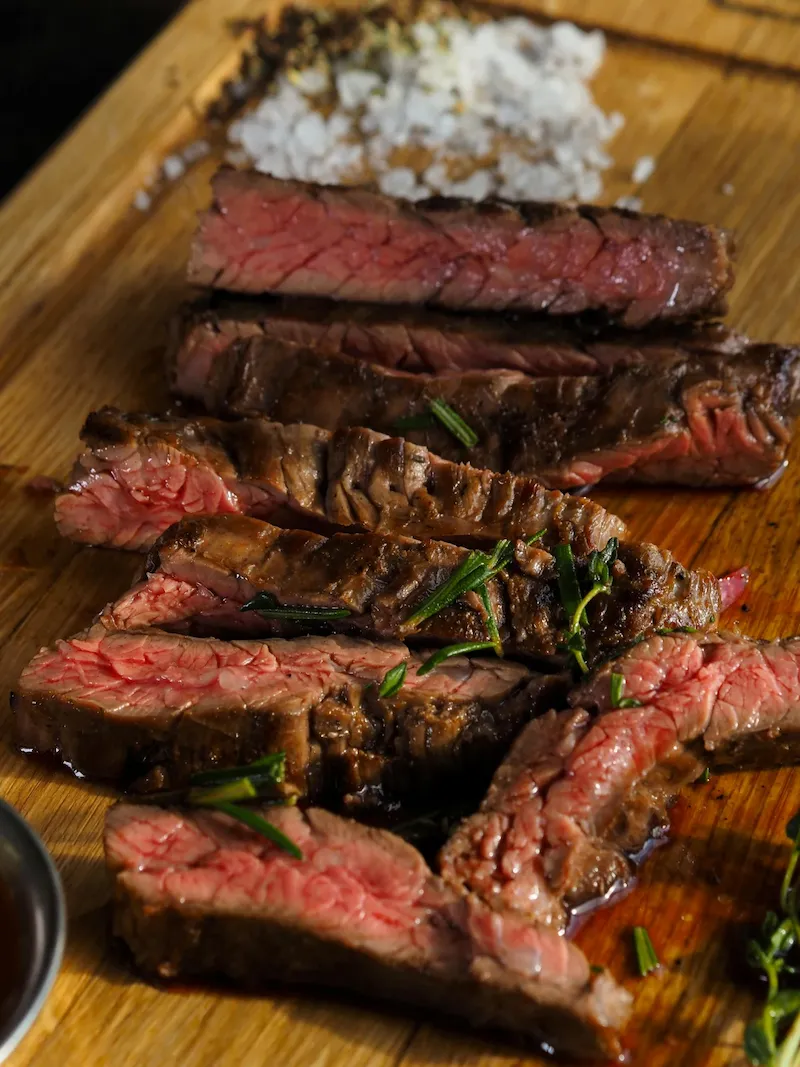
- Steaks
- Lamb chops
- Pork chops
- Chicken thighs with skin
- Burgers
Reheating Leftovers
Getting leftovers crispy again requires starting hot:
- Pizza (restoring crispy crust)
- Fried chicken
- French fries
- Any previously crispy food
Recommended to Preheat (But Not Essential):
- Chicken breasts (helps even cooking)
- Most vegetables (better browning)
- Salmon and other fish steaks
- Most frozen appetizers
- Meatballs
When Following Recipes
Most published air fryer recipes assume preheating. If a recipe doesn't specifically say "no need to preheat" or "start with cold air fryer," assume you should preheat. Our recipes at Air Fry Pro always specify whether preheating is needed or not.
5 When You Don't Need to Preheat
There are legitimate situations where preheating isn't necessary—or even where a cold start produces better results. Knowing when to skip preheating saves time without sacrificing quality.
Skip Preheating For:
Thick Cuts of Meat
Larger, thicker proteins actually benefit from a gentler start:
- Whole chicken (even in large air fryers)
- Thick pork roasts
- Bone-in chicken legs
- Thick steaks (1.5 inches+) where you want medium-rare to medium doneness
Why? A cold start allows heat to penetrate to the center before the outside overcooks. For very thick cuts, starting cold gives you a more even result from edge to center.
Delicate Baked Goods
Items that need to rise or set gradually:
- Muffins and cupcakes
- Cakes (in appropriate pan)
- Biscuits from scratch
- Bread rolls
Baked goods need time for the interior to cook as the exterior browns. Too much initial heat can set the outside before the inside rises properly.
Foods That Need Longer Cooking Times
When cooking for 20+ minutes, the few minutes of preheating become negligible:
- Baked potatoes
- Large root vegetables
- Whole squash
- Meatloaf
When You're Cooking Multiple Batches
After your first batch, the air fryer is already hot. No need to "re-preheat" between batches—just add the next batch immediately. In fact, you may want to check a minute or two early since it's already at temperature.
Raw Marinated Foods with High Moisture
Very wet, marinated foods can benefit from a gentler start:
- Heavily marinated chicken
- Foods in wet sauces
- Items with high water content
A cold start allows some moisture to cook off before high heat is applied, reducing splattering and allowing better browning later.
When Your Manual Says Not To
Some newer air fryer models with advanced heating elements are designed to not require preheating. They reach temperature so quickly that preheating is built into the cooking process. Always check your specific model's manual—manufacturers test extensively with their own appliances.
When Speed Trumps Perfection
Let's be honest: sometimes you're hungry and don't want to wait. For casual weeknight cooking where perfect crispiness isn't critical, skipping the preheat and adding a couple minutes to cook time is perfectly acceptable. The difference between preheated and non-preheated is noticeable but not night-and-day for most foods.
6 Preheating Times by Air Fryer Type and Model
Different air fryers preheat at different rates depending on their size, heating element power, and design. Here's a comprehensive guide to preheating times for all major air fryer types.
Basket-Style Air Fryers
The most common type, with a pull-out basket.
Small Basket Air Fryers (2-3 quarts)
- Preheating time: 2-3 minutes
- Examples: Dash Compact, small Chefman models, Bella 2qt
- Why faster: Smaller chamber heats quickly
Medium Basket Air Fryers (4-5 quarts)
- Preheating time: 3-4 minutes
- Examples: Ninja Air Fryer 4qt, Cosori 5qt, GoWISE USA 5qt
- This is the sweet spot: Most recipes are developed for this size
Large Basket Air Fryers (6+ quarts)
- Preheating time: 4-5 minutes
- Examples: Ninja Max XL, Cosori 6.8qt, Instant Vortex Plus 6qt
- Note: The extra capacity means more air to heat
Oven-Style Air Fryers
Larger units that resemble toaster ovens.
Compact Oven-Style (10-12 quarts)
- Preheating time: 4-5 minutes
- Examples: Cuisinart TOA-60, Breville Compact Smart Oven
- Tip: Use the preheat function if available
Large Oven-Style (12-15 quarts)
- Preheating time: 5-7 minutes
- Examples: Ninja Foodi Digital Air Fry Oven, Cuisinart TOA-65
- Note: Larger cavity takes longer but heats more evenly
Extra-Large Oven-Style (15+ quarts)
- Preheating time: 6-8 minutes
- Examples: Emeril Lagasse Power Air Fryer 360, Kalorik MAXX
- Note: Consider whether you really need to preheat this large a space
Dual-Basket Air Fryers
Models with two separate cooking compartments.
- Preheating time: 3-4 minutes per basket
- Examples: Ninja Foodi DualZone, Instant Vortex Plus Dual
- Tip: Both baskets can preheat simultaneously
- Note: You can preheat only the basket(s) you'll use
Lid-Style Air Fryers
Air fryer lids that sit on pots or pans.
- Preheating time: 3-5 minutes (with pot attached)
- Examples: Instant Pot Duo Crisp lid, Ninja Foodi lid
- Important: The pot must be attached during preheating
- Note: Preheat time varies based on the pot size used
Preheating by Brand
Popular brands and their typical preheat times for standard-sized models:
- Ninja: 3-4 minutes (built-in preheat on many models)
- Cosori: 3-5 minutes
- Instant Vortex: 3-4 minutes
- Philips: 3-5 minutes
- GoWISE USA: 3-4 minutes
- Cuisinart: 5-7 minutes (oven style)
- Breville: 5-7 minutes (oven style)
- Dash: 2-3 minutes (compact models)
- Chefman: 3-4 minutes
- PowerXL: 3-4 minutes
7 What Temperature Should You Preheat To?
The simple answer: preheat to the temperature you'll be cooking at. But there's more nuance to getting this right.
The General Rule
Set your air fryer to the cooking temperature specified in your recipe, then preheat for the appropriate time (based on your air fryer type). When the preheat is complete, add your food and start the cooking timer.
For example:
- Making chicken wings at 400°F? Preheat to 400°F
- Cooking salmon at 370°F? Preheat to 370°F
- Air frying bacon at 375°F? Preheat to 375°F
Temperature Ranges and Their Uses
Low Temperature: 250-325°F (120-165°C)
Preheat time: 2-3 minutes
Used for:
- Delicate fish
- Warming bread
- Gentle reheating
- Dehydrating
Note: At lower temperatures, preheating is less critical but still helpful for consistent timing.
Medium Temperature: 330-375°F (165-190°C)
Preheat time: 3-4 minutes
Used for:
- Chicken breasts
- Pork chops
- Fish fillets
- Most vegetables
- Baked goods
Note: This is the versatile middle range where preheating provides moderate benefit.
High Temperature: 380-400°F (195-205°C)
Preheat time: 3-5 minutes
Used for:
- French fries
- Chicken wings
- Steaks
- Bacon
- Breaded foods
- Most frozen foods
Note: High temperatures benefit most from preheating—this is where the crispy magic happens.
Maximum Temperature: 400-450°F (205-230°C)
Preheat time: 4-5 minutes
Used for:
- Searing steaks
- Extra-crispy wings
- Pizza (where supported)
- Flash-cooking thin items
Note: Always preheat at max temperature—you want the full heat impact immediately.
When to Preheat Higher Than Cooking Temperature
In some cases, you might preheat 15-25°F higher than your cooking temperature:
- For an initial sear: Preheat to 400°F, add steak, then reduce to 375°F after 2 minutes
- When adding cold/frozen food: The cold food will drop the temperature; a hotter start compensates
- For maximum crispiness on first contact: The extra-hot basket creates better browning
Using Your Air Fryer's Preheat Function
Many newer air fryers have a dedicated preheat button or function. This is convenient but be aware:
- Some preheat to a fixed temperature (often 400°F) regardless of your cooking temp
- Others preheat to whatever temperature you've selected
- Check your manual to understand how your model's preheat works
- If it preheats to a fixed temp, you can manually preheat by just running the air fryer at your desired temperature
8 How to Preheat Your Air Fryer: Step-by-Step
Preheating is straightforward, but following the right process ensures the best results. Here's the complete method.
Basic Preheating Method
Step 1: Check the Basket
Remove any leftover parchment paper, liners, or accessories from the basket. Preheating with paper inside (without food to weigh it down) can cause it to blow into the heating element—a fire hazard.
Step 2: Insert the Empty Basket
Make sure the basket is properly seated in the air fryer. Most models won't operate if the basket isn't correctly inserted.
Step 3: Set the Temperature
Set your air fryer to the temperature you'll be cooking at. If you're not sure, 375-400°F is a good default for most foods that benefit from preheating.
Step 4: Set a Timer or Use Preheat Function
Either:
- Use the dedicated preheat button if your model has one, OR
- Set a manual timer for 3-5 minutes depending on your air fryer size
Step 5: Wait
Let the air fryer run until preheating is complete. Use this time to prep your food—season it, arrange it on a plate, or take it out of the freezer.
Step 6: Add Food Quickly
When preheating is complete, work quickly to add your food. Open the basket, place food in a single layer (don't overcrowd), and close. The faster you do this, the less heat escapes.
Step 7: Start Cooking
Set your cooking time and temperature. The cooking time should start from this point—don't count the preheat time as cooking time.
Tips for Better Preheating
Prep Food During Preheat
Don't just stand and watch—use preheating time productively:
- Season your chicken or vegetables
- Open frozen food packages
- Arrange food on a plate for easy transfer
- Get your oil mister ready
- Prepare any sauces or dips
Don't Walk Away for Too Long
Letting your preheated air fryer sit empty for extended periods wastes energy and can potentially stress the heating element. Aim to add food within 1-2 minutes of preheat completion.
Keep the Basket In During Preheat
Always preheat with the basket inside. The basket itself needs to be hot—a cold basket will reduce the cooking surface temperature when food is added.
Know When It's Ready
How to tell preheating is complete:
- Many models beep or display "ready"
- Some models' heating element cycles off momentarily (you'll hear the fan change tone)
- If you carefully open the basket, you should feel significant heat
- When in doubt, 3-5 minutes at your target temperature is sufficient for most models
Preheating for Specific Foods
For Frozen Foods
Preheat to 375-400°F for 3-5 minutes. The extra heat compensates for the cold frozen food dropping the temperature.
For Steaks/Searing
Preheat to maximum temperature (usually 400-450°F) for 5 full minutes. You want that basket screaming hot for a good sear.
For Delicate Items
Preheat at your cooking temperature for 2-3 minutes. These items don't need as aggressive a start.
9 Preheating Guide by Food Type
Different foods have different preheating needs. Use this comprehensive reference to know exactly how to preheat for whatever you're cooking.
Proteins
Chicken Wings
- Preheat: Yes, always
- Temperature: 380-400°F
- Time: 3-5 minutes
- Why: Crispy skin requires immediate high heat
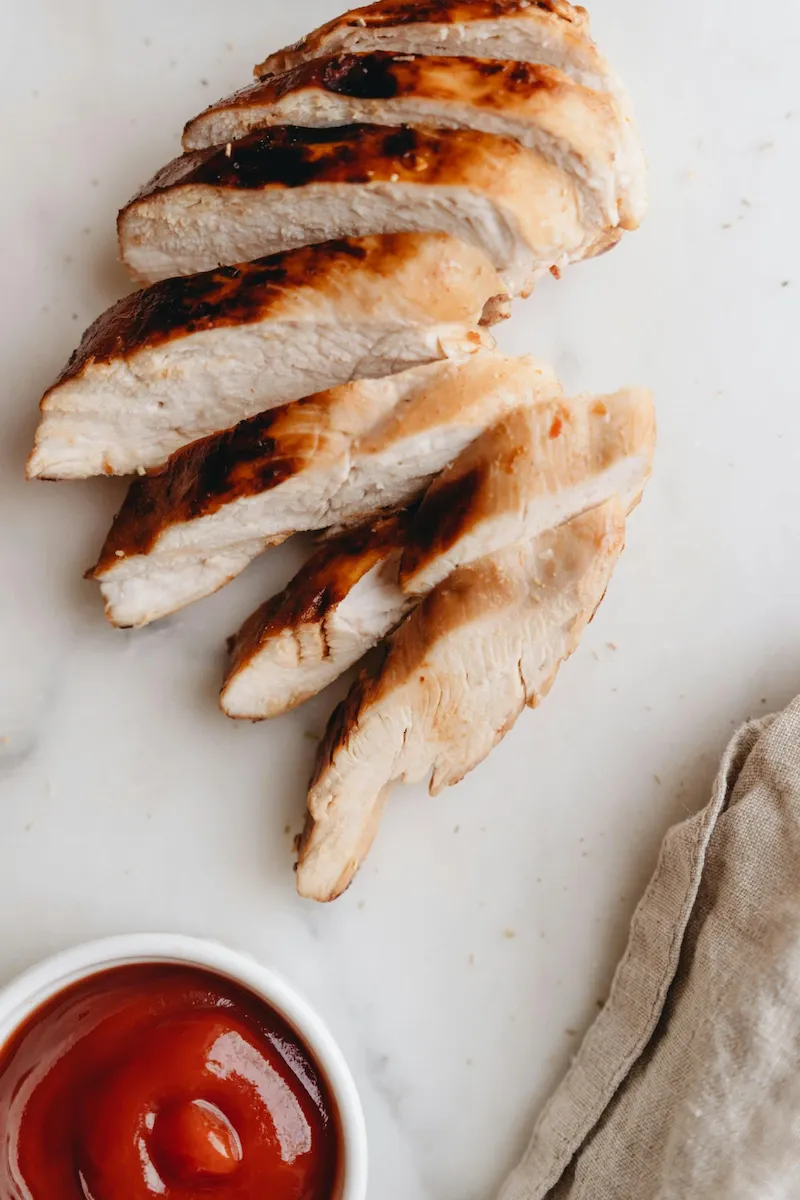
Chicken Breasts
- Preheat: Recommended
- Temperature: 360-375°F
- Time: 3-4 minutes
- Why: More even cooking, better browning
Chicken Thighs (bone-in, skin-on)
- Preheat: Yes
- Temperature: 380-400°F
- Time: 3-5 minutes
- Why: Crispy skin development
Steak
- Preheat: Yes, definitely
- Temperature: 400°F (max)
- Time: 5 minutes
- Why: Essential for proper searing
Fish Fillets
- Preheat: Yes
- Temperature: 350-375°F
- Time: 3-4 minutes
- Why: Prevents sticking, ensures even cooking
Salmon
- Preheat: Yes
- Temperature: 370-380°F
- Time: 3-4 minutes
- Why: Nice crust on skin, even interior
Shrimp
- Preheat: Yes
- Temperature: 375-400°F
- Time: 2-3 minutes
- Why: Quick-cooking item needs immediate heat
Pork Chops
- Preheat: Yes
- Temperature: 375-400°F
- Time: 3-4 minutes
- Why: Better browning, juicier results
Bacon
- Preheat: Yes
- Temperature: 375-400°F
- Time: 2-3 minutes
- Why: Crispier, more even cooking
Vegetables
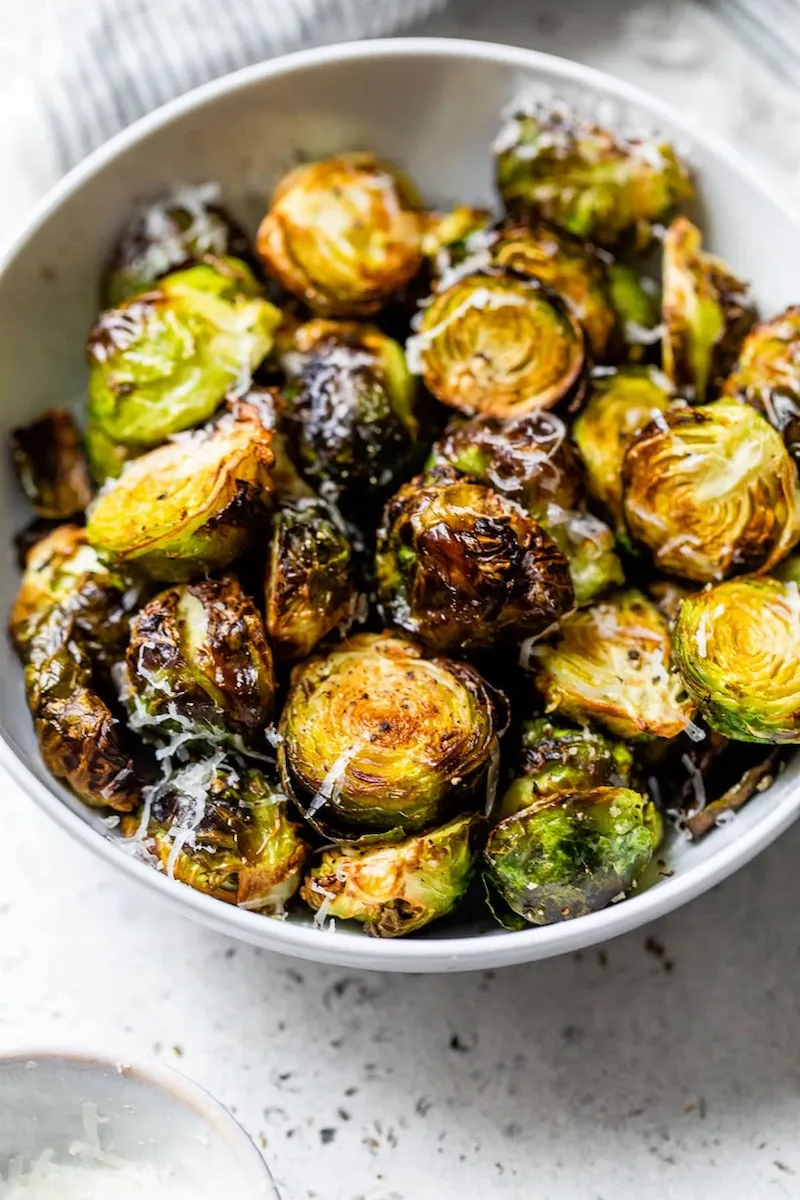
Brussels Sprouts
- Preheat: Yes
- Temperature: 375-400°F
- Time: 3-4 minutes
- Why: Best charring and caramelization
Broccoli
- Preheat: Yes
- Temperature: 375-400°F
- Time: 3-4 minutes
- Why: Crispy edges, tender centers
Asparagus
- Preheat: Yes
- Temperature: 400°F
- Time: 3 minutes
- Why: Quick-cooking, needs immediate heat
Potatoes (cubed or wedges)
- Preheat: Yes
- Temperature: 400°F
- Time: 4-5 minutes
- Why: Crispier exterior
Baked Potatoes (whole)
- Preheat: Optional
- Temperature: 400°F
- Time: 3-4 minutes if preheating
- Why: Long cooking time makes it less critical
Zucchini
- Preheat: Yes
- Temperature: 375-400°F
- Time: 3 minutes
- Why: Prevents sogginess
Frozen Foods
French Fries
- Preheat: Yes
- Temperature: 400°F
- Time: 3-5 minutes
- Why: Maximum crispiness
Chicken Nuggets/Tenders
- Preheat: Yes
- Temperature: 375-400°F
- Time: 3-4 minutes
- Why: Crispy coating
Mozzarella Sticks
- Preheat: Yes
- Temperature: 375-380°F
- Time: 3 minutes
- Why: Crispy outside before cheese melts through
Pizza Rolls
- Preheat: Yes
- Temperature: 375-380°F
- Time: 3 minutes
- Why: Crispy dough
Frozen Vegetables
- Preheat: Yes
- Temperature: 375-400°F
- Time: 3-4 minutes
- Why: Reduces sogginess from ice crystals
Reheating
Pizza
- Preheat: Yes, always
- Temperature: 350-375°F
- Time: 3 minutes
- Why: Re-crisps the crust immediately
Fried Chicken
- Preheat: Yes
- Temperature: 375°F
- Time: 3-4 minutes
- Why: Restores crispy coating
French Fries
- Preheat: Yes
- Temperature: 375-400°F
- Time: 3 minutes
- Why: Essential for re-crisping
10 Common Preheating Mistakes to Avoid
Even this simple step can go wrong. Here are the most common preheating mistakes and how to avoid them.
Mistake #1: Not Preheating When You Should
The problem: Skipping preheating for foods that need it results in longer cook times, uneven cooking, and disappointing texture.
The fix: Default to preheating for most foods. The only time to skip is when cooking thick items, baked goods, or very long-cooking foods.
Mistake #2: Preheating With Parchment Paper Inside
The problem: Lightweight parchment paper can blow up into the heating element when there's no food to weigh it down. This is a fire hazard.
The fix: Always preheat with an empty basket. Add parchment only after preheating, when you add the food.
Mistake #3: Leaving the Basket Out During Preheat
The problem: Preheating without the basket means only the air gets hot, not the cooking surface. When you then add a cold basket with food, you lose significant heat.
The fix: Always preheat with the basket in place. The hot basket helps sear food immediately.
Mistake #4: Preheating for Too Long
The problem: Running an empty air fryer for 10+ minutes wastes energy and can stress the appliance. Some units may overheat.
The fix: 3-5 minutes is sufficient for most air fryers. More than 5 minutes is rarely necessary.
Mistake #5: Not Preheating Long Enough
The problem: A 30-second "preheat" doesn't allow the basket and chamber walls to reach temperature. Only the air and heating element are hot.
The fix: Give it at least 2-3 minutes for small air fryers, 3-5 for larger ones. The full system needs to heat up.
Mistake #6: Letting It Sit Too Long After Preheating
The problem: Preheating then walking away for 10 minutes means the air fryer cycles to maintain temperature, wasting energy and not achieving the hot-start benefit.
The fix: Have your food ready to go before preheating. Add food within 1-2 minutes of preheat completion.
Mistake #7: Preheating to the Wrong Temperature
The problem: Preheating to 400°F when your recipe calls for 350°F, then reducing temperature, means your food gets an inconsistent start.
The fix: Preheat to the temperature you'll be cooking at (with rare exceptions for searing techniques).
Mistake #8: Opening the Basket Too Slowly
The problem: Fumbling with the basket after preheating lets all the hot air escape. By the time you add food and close it, you've lost much of the benefit.
The fix: Have food ready on a plate. Open, quickly place food, close. Practice makes this smooth.
Mistake #9: Overcrowding After Preheating
The problem: You preheat perfectly, then pile in too much food. The mass of cold food drops the temperature, and crowding prevents air circulation.
The fix: Even with preheating, don't overcrowd. If you have lots of food, cook in batches (no need to re-preheat between batches).
Mistake #10: Forgetting to Check Your Manual
The problem: Some air fryers have specific preheating recommendations—or even say not to preheat. Ignoring this can affect results or warranty.
The fix: When you first get an air fryer, read what the manufacturer says about preheating. Their testing is specific to your model.
11 Pro Tips for Perfect Preheating
Take your preheating game to the next level with these advanced tips from experienced air fryer enthusiasts.
Use a Thermometer for Precision
Air fryer temperature displays aren't always accurate. Using an oven thermometer inside the basket during preheating can reveal:
- Whether your air fryer runs hot or cold
- Exactly when true temperature is reached
- Hot spots in your particular model
Once you know your air fryer's quirks, you can adjust recipes accordingly.
Preheat While Prepping
Make preheating time productive. Start the preheat, then:
- Season your food
- Open packages
- Get plates and utensils ready
- Prepare dipping sauces
- Set the table
By the time you're done, the air fryer is ready. No wasted time.
The Two-Temperature Technique
For foods that benefit from a high-heat start followed by gentler cooking:
- Preheat to maximum temperature (400-450°F)
- Add food and cook for 2-3 minutes at max temp
- Reduce to your target cooking temperature for the remainder
This works great for thick steaks, bone-in chicken, and foods where you want a seared exterior with a perfectly cooked interior.
Batch Cooking Strategy
When cooking multiple batches:
- Only preheat before the first batch
- Between batches, the air fryer stays hot—no additional preheat needed
- Check subsequent batches 1-2 minutes early (they may cook faster)
- If you pause more than 5 minutes between batches, a 1-minute "refresh" preheat helps
Cold Food Compensation
When cooking frozen food straight from the freezer:
- Preheat 15-25°F higher than your cooking temperature
- The frozen food will drop the temp; the extra heat compensates
- After adding food, reduce to target temperature
This ensures frozen food gets an immediate hot start despite its coldness.
Know Your Model's Preheat Behavior
Air fryers handle preheating differently:
- Auto-preheat models: Some automatically add preheat time to cooking. Check if this is happening to avoid overcooking.
- Preheat indicators: Some beep or show "ready" when preheated. Trust this if your model has it.
- Quick-heat elements: Newer models may need less preheat time. Test and adjust.
The Empty Run Test
Want to know exactly how long your air fryer takes to preheat? Try this:
- Place an oven thermometer in the basket
- Set air fryer to 400°F and start timing
- Check thermometer every minute
- Note when it reaches 400°F—that's your true preheat time
Consider the Season
Your kitchen's ambient temperature affects preheat time slightly:
- Cold winter kitchen? Add 30-60 seconds to preheat
- Hot summer kitchen? Standard preheat time is fine
- Air conditioned room? Standard time works
Document What Works
Keep notes on your phone or a small notebook:
- Which foods you preheat for and how long
- Adjustments that improve results
- Your specific air fryer's quirks
After a few weeks, you'll have a personalized guide that gives perfect results every time.
12 Troubleshooting Preheating Issues
Sometimes preheating doesn't go as planned. Here's how to diagnose and fix common problems.
Air Fryer Won't Heat Up
Possible causes:
- Basket not properly inserted (safety feature prevents heating)
- Power connection issue
- Tripped circuit breaker
- Faulty heating element
Solutions:
- Remove and reinsert basket until it clicks securely
- Check that the plug is fully inserted
- Try a different outlet
- Check your home's circuit breaker
- If none of the above work, the heating element may need professional repair
Takes Forever to Preheat
Possible causes:
- Air fryer is in a cold location
- Vents are blocked, reducing efficiency
- Heating element is degrading
- Model just has a longer preheat time
Solutions:
- Move to a warmer location, away from air conditioning vents
- Ensure adequate clearance around all vents (5+ inches)
- Clean any debris from the heating element
- Check manufacturer specs—some models genuinely take longer
Food Still Doesn't Come Out Crispy After Preheating
Possible causes:
- Not preheating long enough
- Overcrowding the basket
- Food is too wet
- Temperature too low
- Air fryer runs cold
Solutions:
- Add 1-2 minutes to your preheat time
- Cook in smaller batches with space between items
- Pat food dry before cooking, especially marinated items
- Increase temperature by 15-25°F
- Use an oven thermometer to check actual temperature
Air Fryer Smokes During or After Preheat
Possible causes:
- Grease buildup from previous cooking
- Food residue on heating element
- Manufacturing residue (new units)
Solutions:
- Clean the heating element and interior thoroughly
- Ensure regular cleaning after each use
- For new units, run empty at 400°F for 10-15 minutes to burn off residue
Uneven Heating
Possible causes:
- Hot spots in your particular model
- Basket positioned incorrectly
- Fan not working properly
Solutions:
- Rotate food halfway through cooking (and more often if needed)
- Ensure basket is fully and correctly inserted
- Listen for the fan—if you don't hear it, contact manufacturer
- Some unevenness is normal; flipping/shaking compensates
Temperature Display Seems Wrong
Possible causes:
- Display shows set temperature, not actual temperature
- Air fryer naturally runs hot or cold
- Temperature sensor issue
Solutions:
- Use an oven thermometer to verify actual temperature
- Adjust your set temperature based on actual readings
- Contact manufacturer if difference is extreme (more than 25°F off)
13 Conclusion: Master Preheating for Better Air Frying
Preheating your air fryer is a small step that makes a big difference. While it adds a few minutes to your cooking routine, the benefits—crispier textures, more consistent results, better searing, and more accurate cooking times—are well worth it for most foods.
Key Takeaways
- Preheat for most foods: Unless you're cooking thick meats, baked goods, or very long-cooking items, preheating improves results
- 3-5 minutes is usually enough: Smaller air fryers need less time, larger ones need more
- Preheat to your cooking temperature: Match the preheat temp to what you'll actually be cooking at
- Use the time wisely: Prep your food while the air fryer heats up
- Add food quickly: Don't let all that heat escape when you open the basket
- Don't overcrowd: Preheating is wasted if you pile in too much food
When to Preheat (Quick Reference)
Always preheat: Chicken wings, steaks, bacon, french fries, frozen foods, breaded items, reheating leftovers
Skip preheating: Whole chicken, thick roasts, baked goods, very long-cooking items
Your Next Steps
Now that you understand the why and how of preheating, put it into practice:
- Try cooking the same food with and without preheating—notice the difference
- Time how long your specific air fryer takes to fully preheat
- Start making preheating automatic for appropriate foods
- Use an oven thermometer to learn your air fryer's temperature accuracy
Mastering preheating is one piece of becoming an air fryer expert. Combined with proper air fryer technique, regular cleaning, and understanding when to use your air fryer versus your oven, you'll be producing restaurant-quality results at home in no time.
Happy air frying!
14 Frequently Asked Questions
Do I really need to preheat my air fryer?
For most foods, yes—preheating produces noticeably better results. It takes just 3-5 minutes and gives you crispier textures, more consistent cooking, and better browning. However, you can skip preheating for thick cuts of meat, baked goods, and foods with very long cooking times (20+ minutes). When in doubt, preheat—the difference is noticeable, especially for quick-cooking items and anything where crispiness matters.
How long should I preheat my air fryer?
Most air fryers need 3-5 minutes to fully preheat. Smaller basket-style models (2-3 quarts) preheat in 2-3 minutes, medium models (4-5 quarts) in 3-4 minutes, and larger models (6+ quarts) in 4-5 minutes. Oven-style air fryers generally take 5-7 minutes due to their larger cooking chambers. When using your air fryer's preheat function, trust its indicator—it knows when temperature is reached.
What temperature should I preheat my air fryer to?
Preheat to the same temperature you'll be cooking at. If your recipe calls for 400°F, preheat to 400°F. If cooking at 375°F, preheat to 375°F. The only exception is when you want an extra-hot start for searing—in that case, you might preheat 15-25°F higher, then reduce temperature after adding food. For frozen foods, preheating at the upper end of your temperature range helps compensate for the cold food.
Can I preheat my air fryer with parchment paper inside?
No—never preheat with parchment paper, aluminum foil, or any liner in an empty basket. Without food to weigh it down, these materials can blow up into the heating element, creating a fire hazard. Always preheat with an empty basket, then add your liner and food together after preheating is complete.
Why does my air fryer take so long to preheat?
Several factors affect preheat time: air fryer size (larger takes longer), ambient room temperature (cold kitchens slow it down), heating element wattage, and whether vents are blocked. Ensure your air fryer has adequate clearance on all sides for proper airflow. If preheating takes significantly longer than the 3-5 minute standard, check for blocked vents, try a different outlet, or consult your manual—some models simply have longer preheat times by design.
Do I need to preheat for frozen food?
Yes, preheating is especially important for frozen foods. The frozen food will drop the temperature when added, and starting with a fully preheated air fryer helps maintain high heat for immediate crisping. For best results, preheat to the upper end of your temperature range (375-400°F for most frozen foods). The hot start helps evaporate ice crystals quickly, preventing sogginess.
Can I preheat my air fryer for too long?
Yes, excessively long preheating (10+ minutes) wastes energy and can stress the appliance. Once your air fryer reaches temperature, it cycles to maintain that heat, but running empty for extended periods isn't ideal. Stick to 3-5 minutes, and try to add food within a minute or two of preheat completion. If you get distracted, the air fryer will be fine, but you're not gaining any benefit from the extra time.
Should I preheat my air fryer for reheating leftovers?
Yes, definitely. Preheating is essential when reheating previously crispy foods like pizza, fried chicken, and french fries. The hot start immediately begins re-crisping the exterior, restoring that just-cooked texture. A cold start lets the food warm gradually, often resulting in soggy results. Preheat to 350-375°F for 3 minutes before adding leftover food.
Do air fryers with preheat buttons preheat automatically?
Air fryers with preheat functions handle this differently by model. Some automatically add preheat time before cooking starts. Others preheat to a fixed temperature (often 400°F) regardless of your cooking temperature. And some simply preheat to whatever temperature you've selected. Check your manual to understand your specific model's behavior—it affects how you should use the preheat function versus manual preheating.
Do I need to preheat between batches?
No, you don't need to preheat between batches. After cooking the first batch, your air fryer is already at temperature. Simply add the next batch and continue cooking. In fact, subsequent batches may cook slightly faster since everything is already hot—check 1-2 minutes early. If you pause more than 5 minutes between batches, a quick 1-minute "refresh" can help, but a full preheat isn't necessary.
Does preheating waste electricity?
While preheating does use some energy, it typically makes cooking more efficient overall. A preheated air fryer cooks faster, and the reduced cooking time often offsets the energy used during preheating. For a 3-5 minute preheat at 1500 watts, you're using about 0.1 kWh—a negligible cost (roughly 1-2 cents). The improved cooking results are well worth this tiny investment.
Why doesn't my food get crispy even though I preheat?
If preheating isn't giving you crispy results, check these factors: Are you overcrowding the basket? (Air needs to circulate.) Is your food too wet? (Pat it dry before cooking.) Is your air fryer running cooler than displayed? (Test with an oven thermometer.) Are you using enough oil? (A light spray helps browning.) Are you preheating long enough? (Try adding 1-2 minutes.) Address these issues alongside preheating for optimal crispiness.
Should I preheat a new air fryer before first use?
Yes, most manufacturers recommend running a new air fryer empty at 400°F for 10-15 minutes before cooking any food. This "burn-in" period removes manufacturing residues and any plastic-like smells from the new appliance. You may notice a slight odor during this process—that's normal and will dissipate. This is different from regular preheating and only needs to be done once when the air fryer is brand new.
Can I preheat my air fryer with the basket removed?
Most air fryers won't operate without the basket properly inserted—it's a safety feature. Even if yours does allow it, you should always preheat with the basket in place. The basket itself needs to get hot; a cold basket absorbs heat from your food and the air, reducing the effectiveness of preheating. When the basket is preheated along with the air, food gets an immediate sear from the hot cooking surface.